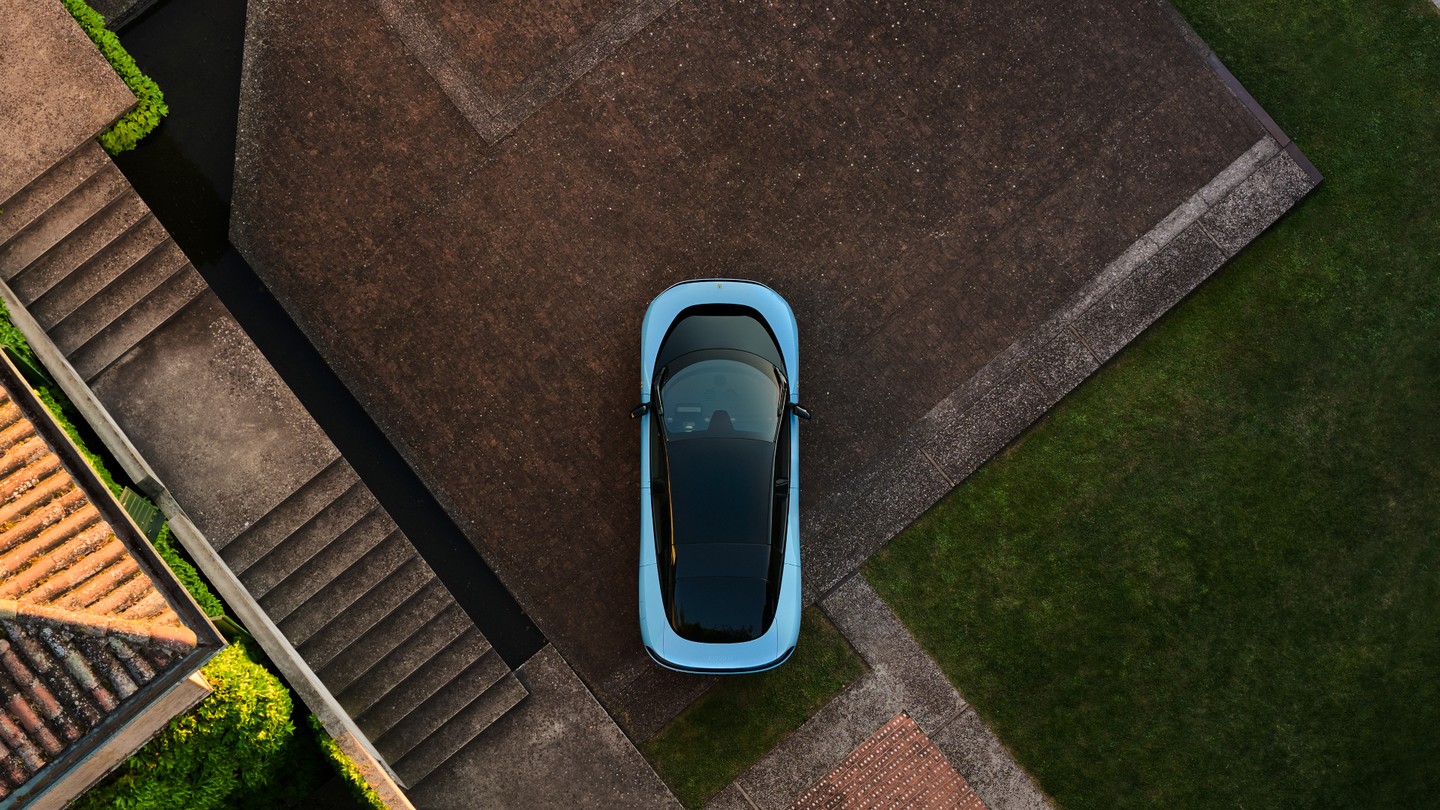
On May 25, 2026, Ferrari — the most storied name in automotive history — did what many thought would never happen: it released its first-ever fully electric production car, the Ferrari Luce. The anticipation was enormous. The disappointment, however, was even bigger.
A Reception Nobody at Maranello Wanted
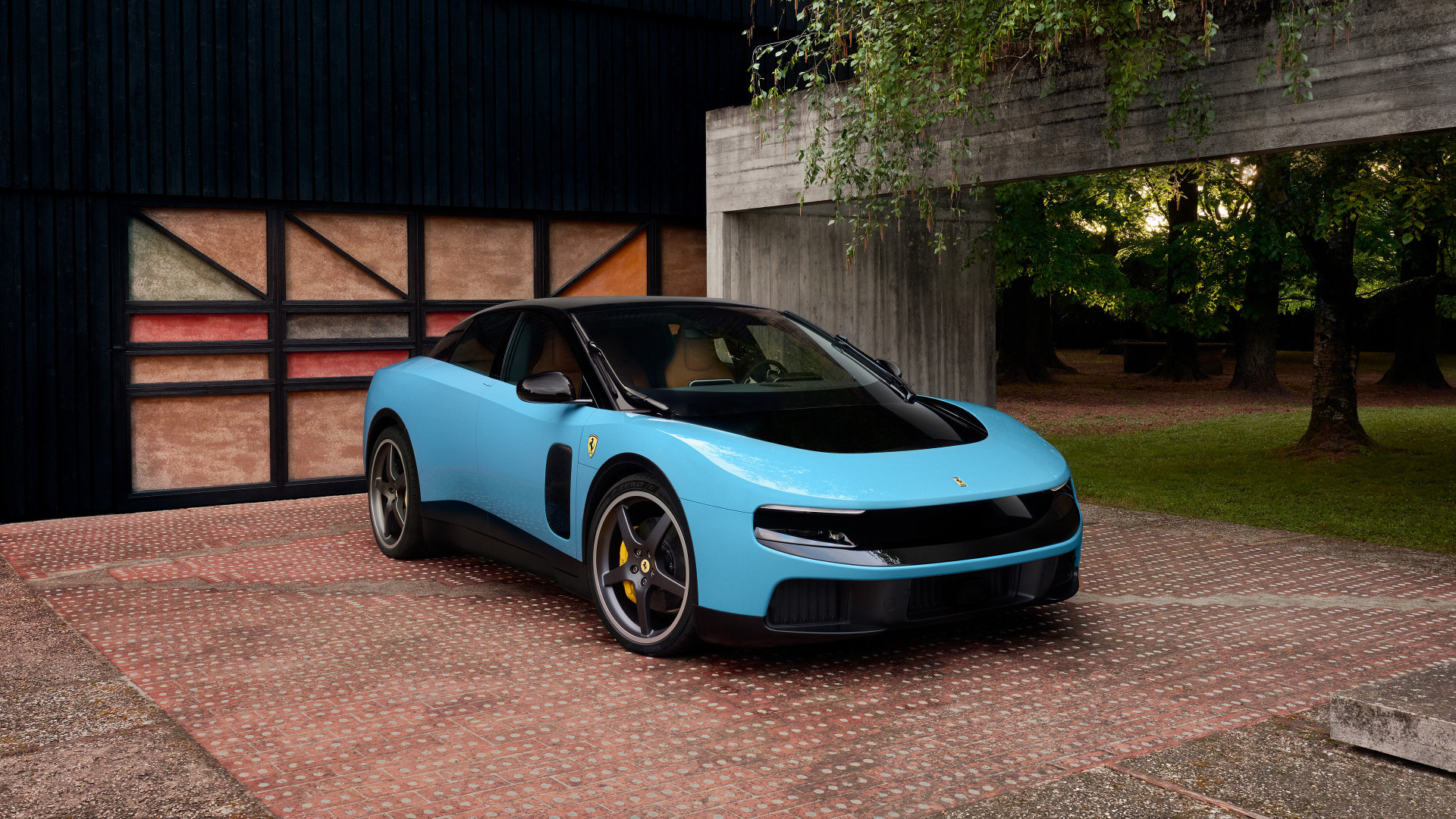
From the moment the Luce was unveiled, the reaction from automotive journalists and enthusiasts worldwide was overwhelmingly negative — and the primary culprit was its styling. The design drew instant comparisons to affordable Chinese electric vehicles that offered similar specifications at a fraction of the price. For a brand that has built its entire mythology on breathtaking, emotionally charged design, this was nothing short of catastrophic.
The criticism was swift and brutal. Reviewers noted that the Luce lacked the visual drama, the sculptural aggression, and the sheer presence that has defined every Ferrari before it. Instead, it looked anonymous — a car that could have rolled off any EV assembly line in Shenzhen.
The Financial Fallout: €4 Billion Wiped in Days
The poor reception translated almost immediately into financial pain. Ferrari's shares dropped by nearly 9% following the Luce's debut, erasing approximately 4 billion dollars from the company's market capitalisation. For a brand that has long commanded a premium valuation on the strength of its exclusivity and desirability, this was a seismic blow.
Industry Shockwaves: Lamborghini and Pagani Pull the Plug
The Luce's failure sent shockwaves far beyond Maranello. Both Lamborghini and Pagani — two of Ferrari's most closely watched rivals in the hypercar space — chose to cancel their own electric vehicle development programs in direct response to watching the Luce stumble. The message was clear: if Ferrari could not make a compelling electric supercar, perhaps the formula was not yet right for the ultra-luxury segment.
The Performance Numbers Are Genuinely Astonishing
Here is the cruel irony of the Luce story: under the skin, the car is an absolute monster. The Ferrari Luce produces a staggering 1,035 horsepower and is capable of reaching a top speed of 310 km/h. By any objective measure of performance, those numbers are extraordinary.
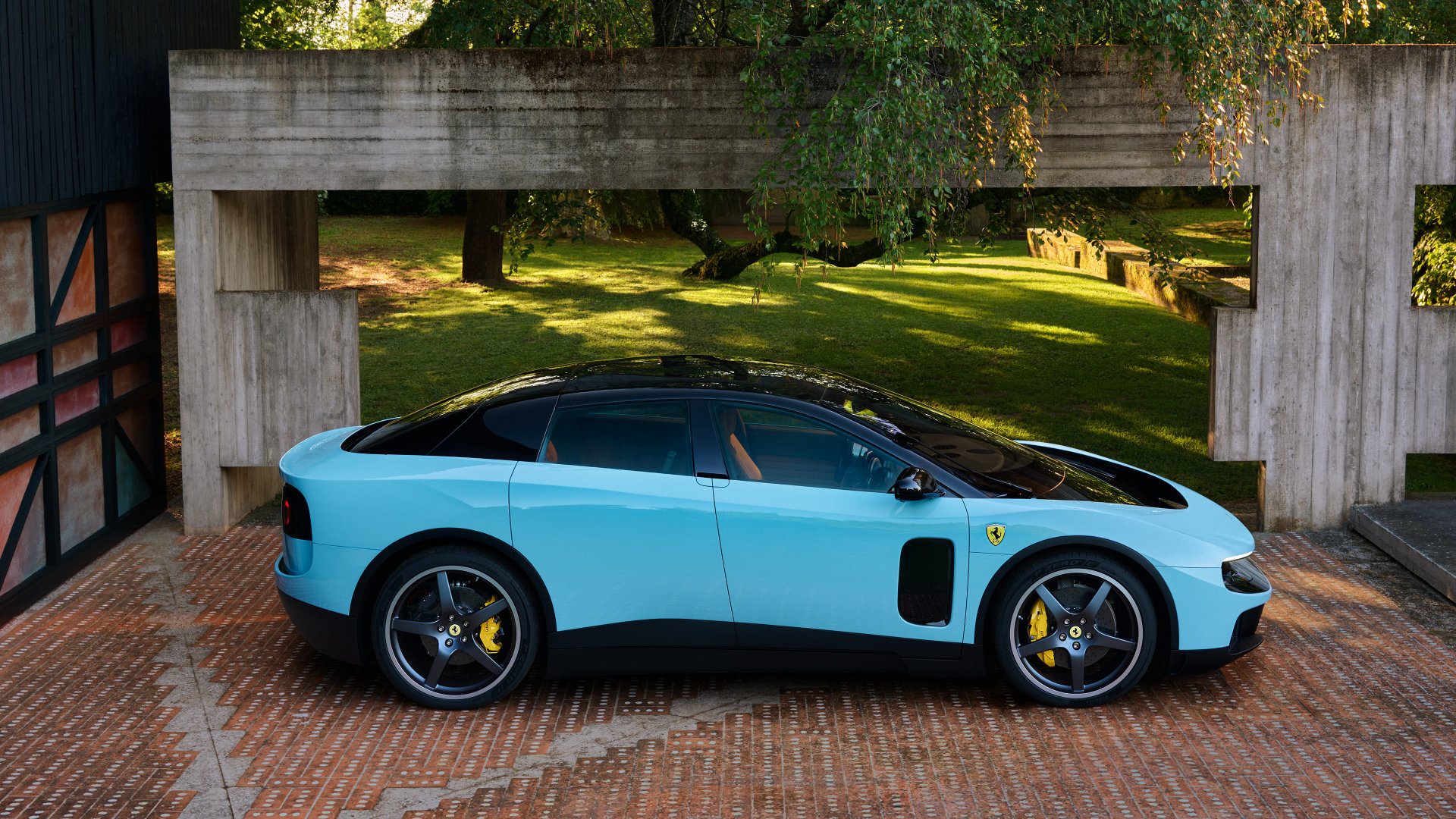
But here lies the fundamental disconnect. Ferrari's traditional customer base does not buy these cars purely as performance machines. They buy them as rolling works of art — as statements of taste, status, and passion. A Ferrari sitting in a Marbella driveway or parked outside a Monte Carlo restaurant must look the part. The Luce, by almost universal consensus, does not.
How Did This Happen? Apple Watch Designers Behind the Wheel
Perhaps the most remarkable revelation about the Luce is how it came to look the way it does. Rather than trusting Ferrari's own world-class design team, the company made the extraordinary decision to bring in designers from the Apple Watch team to shape the car's exterior. The thinking, presumably, was to inject Silicon Valley futurism into an Italian automotive icon.
The result speaks for itself. Consumer electronics designers — however talented in their own field — are not trained to understand the proportions, the aerodynamic theatre, and the emotional language of supercar design. The experiment failed spectacularly.
Exterior vs. Interior: A Tale of Two Experiences
It would be unfair, however, to dismiss the Luce entirely.
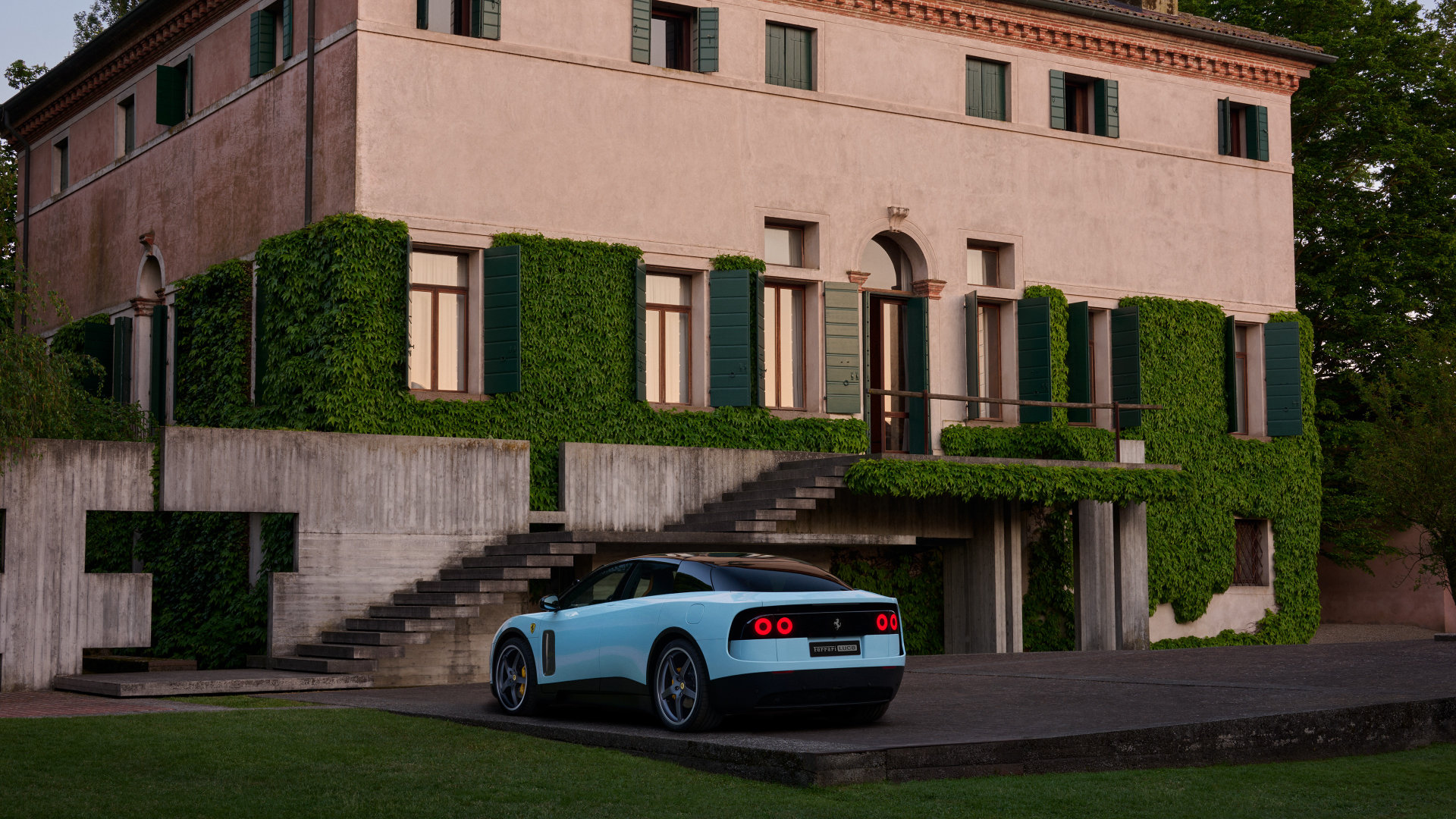
- The Exterior: Frankly, it is dreadful. There is no other word for it. It lacks drama, identity, and the kind of visual authority a Ferrari must possess. Standing next to it, you feel none of that familiar mixture of excitement and intimidation that a Ferrari should provoke.
- The Interior: Surprisingly, this is a genuinely pleasant place to spend time. Ferrari's cabin designers appear to have been given more creative freedom, and the result is an intelligent blend of classic analogue switches and modern digital technology. It feels considered and premium — though even here, the overall ambience occasionally feels closer to a very well-finished Chinese premium EV than to the cockpit of a true Maranello thoroughbred.
The One Market Where the Luce Found Hope: China
Amid the global criticism, one market stood apart: China. The Luce found a genuinely receptive audience in the world's largest automotive market, and the reasons are instructive.
- A Different Demographic: China's luxury car buyers skew significantly younger than their European or American counterparts. This generation has no emotional attachment to the roar of a naturally aspirated V12 — they have grown up in the era of Tesla and NIO, and they see electric powertrains as inherently aspirational.
- A Different Lens: Chinese high-net-worth buyers increasingly evaluate prestige vehicles through the prism of cutting-edge technology, connectivity, and innovation — areas where the Luce does genuinely impress.
- Strategic Pricing: Ferrari made the pragmatic decision to adjust its pricing strategy specifically for the Chinese market, making the Luce more accessible to a broader segment of luxury buyers.
The Verdict from AutoTickers
The Ferrari Luce is one of the most fascinating automotive case studies of recent years — not because it is terrible, but because it represents a near-perfect storm of misaligned strategy. The performance is there. The technology is there. But the one thing a Ferrari must always have above all else — the design that makes your heart race before you even turn the key — is conspicuously absent.
Ferrari has always sold dreams. With the Luce, for the first time in its history, it has sold something closer to a compromise. The road to redemption will require a return to the one thing that made the Prancing Horse legendary in the first place: trusting great car designers to design great cars.