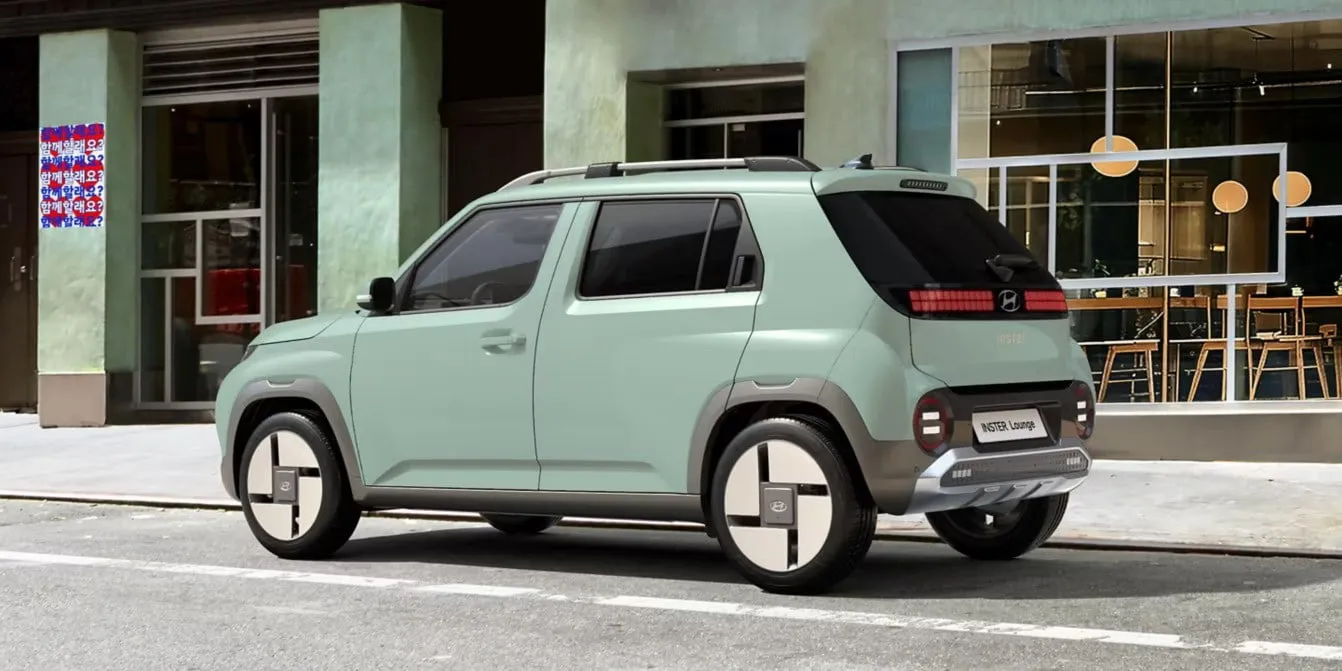
Introduction: Hyundai Inster EV Steps Up Its Game
When Hyundai first unveiled the Inster EV — known in some markets as the Casper Electric — it was positioned as an accessible, budget-friendly urban electric vehicle. But for 2026, Hyundai has made a bold move: the Inster EV is getting notably more upscale, both in design refinements and interior quality. As your trusted automotive guide at AutoTickers, we are diving deep into what this means for Azerbaijani consumers considering a compact electric SUV.
Design: Cute but Now More Sophisticated
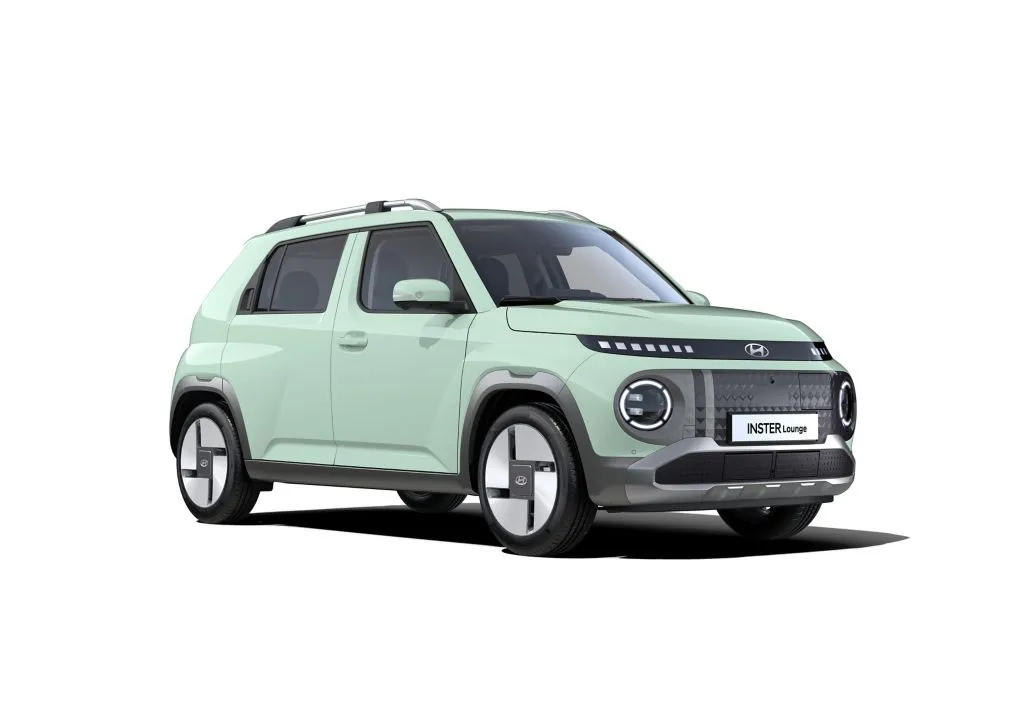
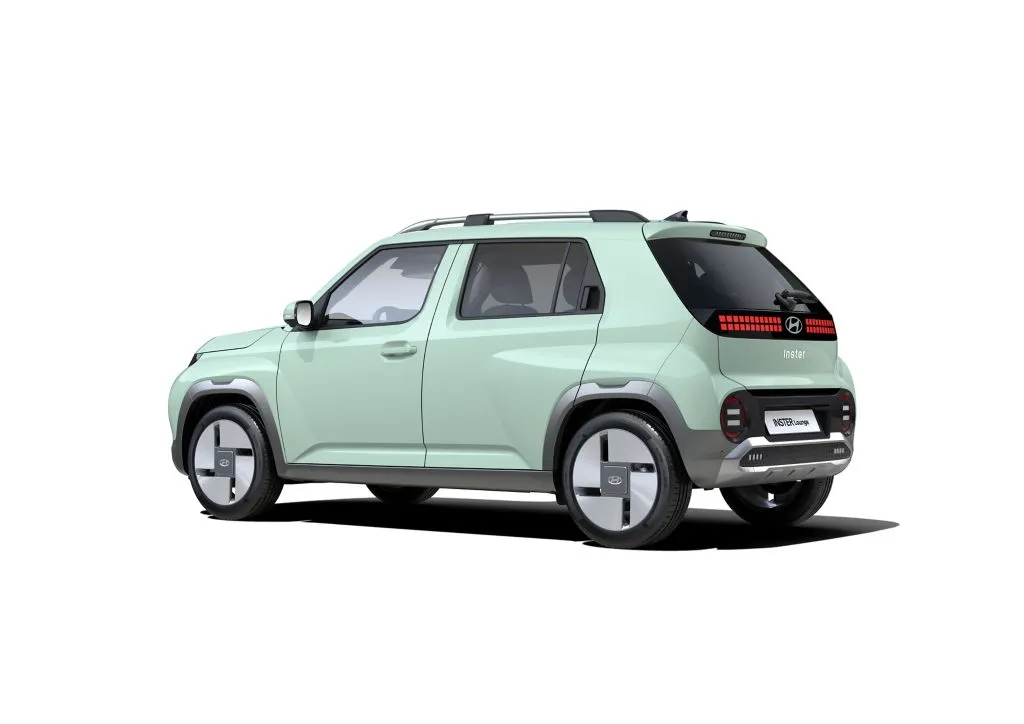
The 2026 Hyundai Inster EV retains its charming boxy silhouette that made the original so endearing, but Hyundai has refined the details significantly. The exterior now features more precisely sculpted body lines, an updated front fascia with pixel-style LED lighting signature — a design language that is becoming Hyundai's calling card across its EV lineup. The overall impression is a vehicle that looks less like a city runabout and more like a genuinely premium urban crossover.
The color palette has also been expanded for 2026, with several new two-tone combinations that allow buyers to personalize their Inster EV in ways that feel fresh and contemporary. Wheel designs have been updated with more aerodynamic and visually appealing alloy options.
Interior: Where the Biggest Upgrade Happens
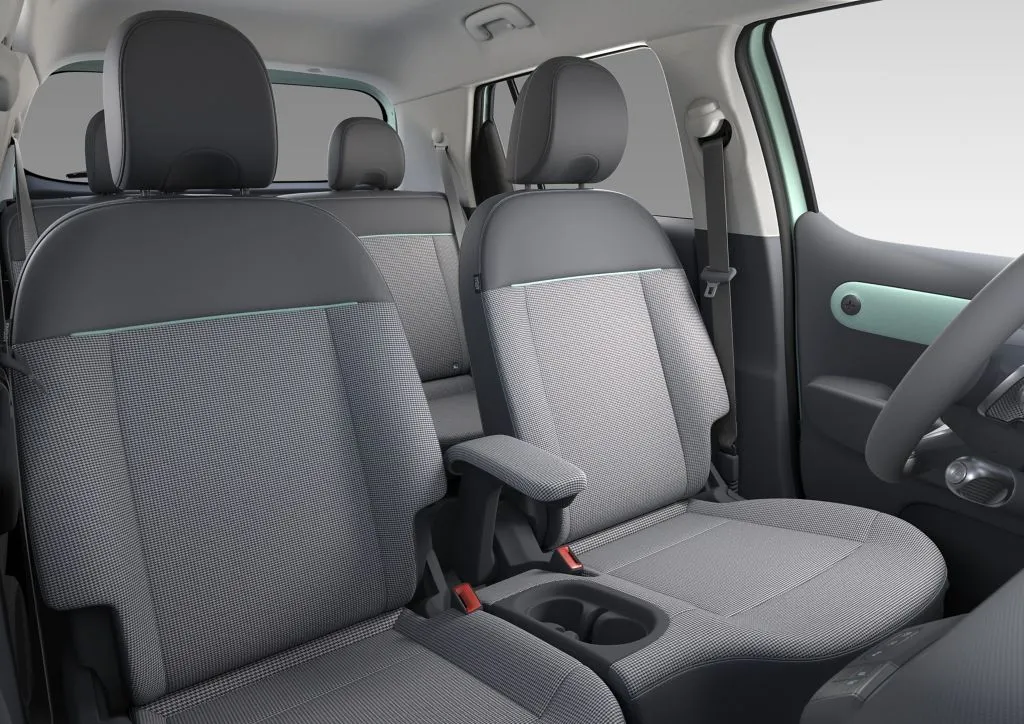
If there is one area where the 2026 Hyundai Inster EV truly earns its more upscale positioning, it is the cabin. Hyundai has invested heavily in elevating the interior quality with soft-touch materials on the dashboard and door panels, replacing some of the harder plastics that were present in earlier versions. The instrument cluster and infotainment screen have been integrated into a wider dual-screen layout, giving the Inster EV a cockpit feel that punches well above its price class.
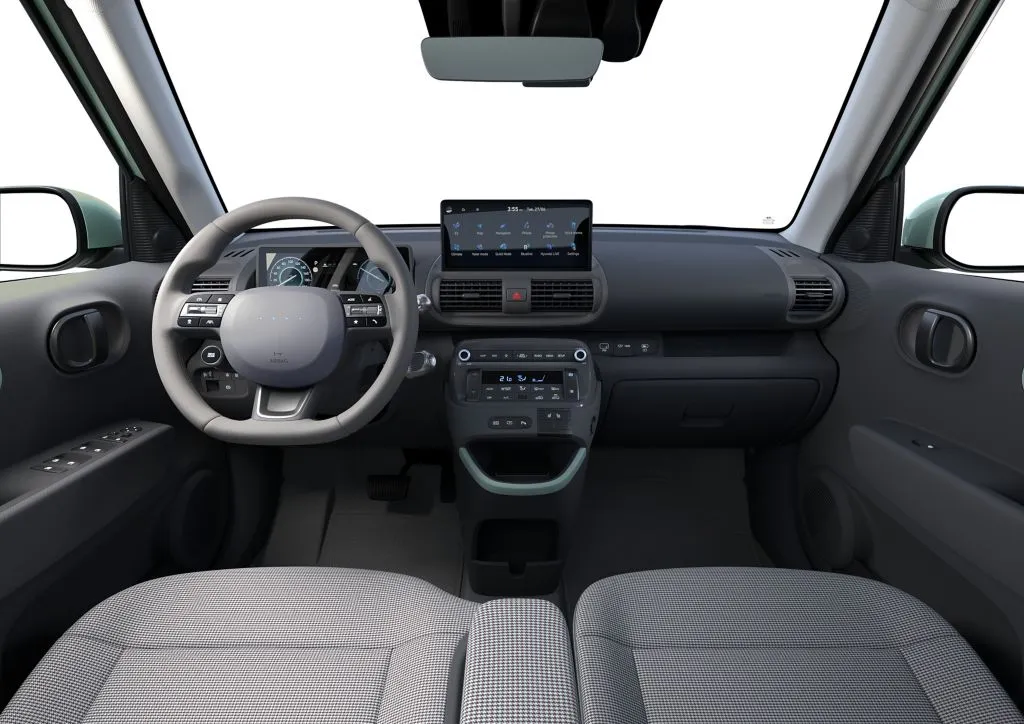
The seating position is comfortable and the flat floor — a natural benefit of the EV platform — makes the cabin feel spacious despite the compact exterior dimensions. Hyundai has also added ambient lighting options, a feature that was previously reserved for much more expensive vehicles in the Korean brand's lineup.
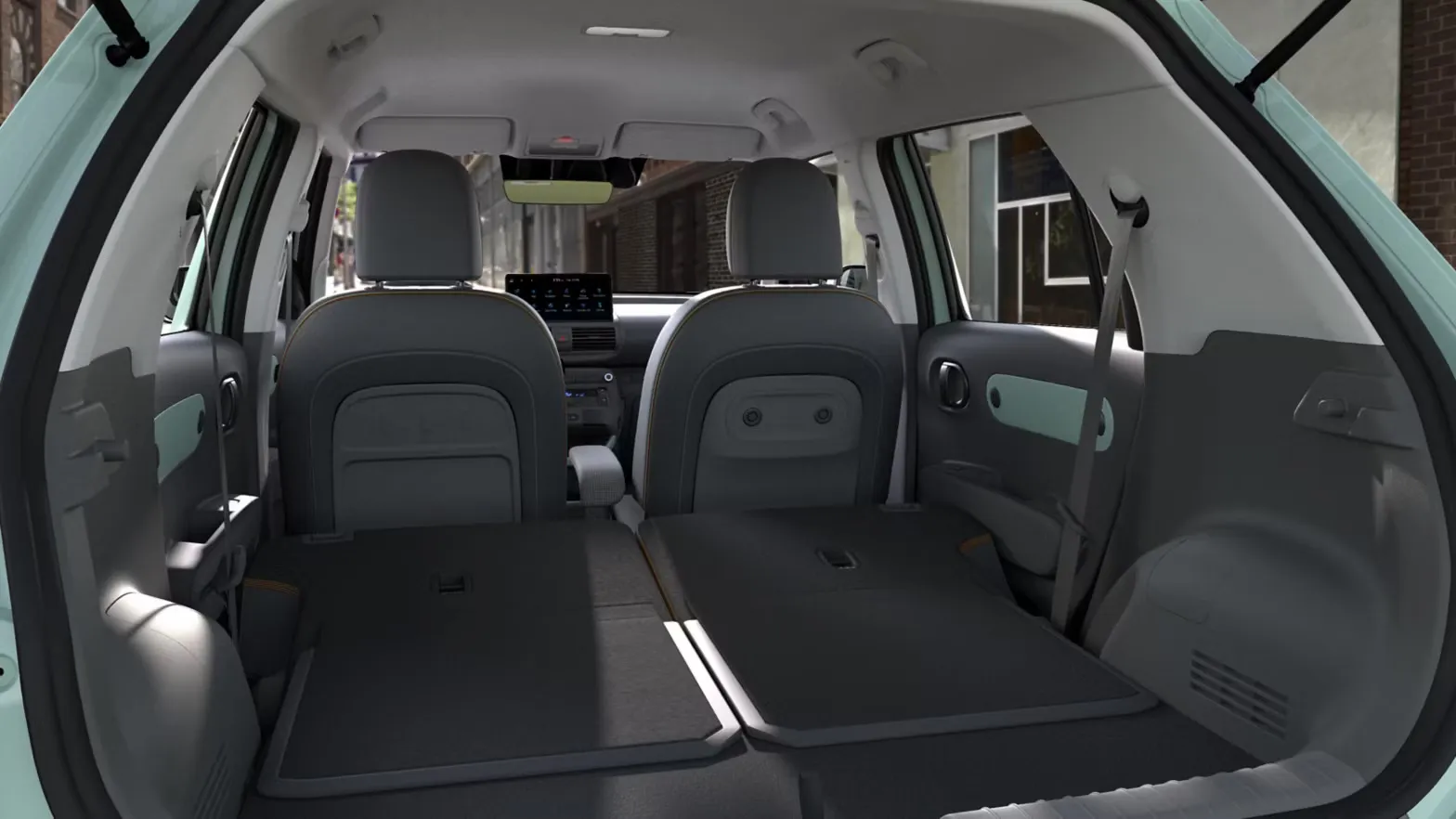
Cargo space remains practical for the segment, and the rear seats can be folded to expand loading capacity, making the Inster EV surprisingly versatile for daily urban use as well as weekend getaways.
Powertrain and Range: Practical for Azerbaijani Roads
The 2026 Hyundai Inster EV is offered with two battery configurations. The standard model carries a 42 kWh battery delivering approximately 300 km of WLTP range, while the Long Range variant steps up to a 49 kWh battery capable of approximately 355 km of WLTP range. For everyday driving in Baku — where distances are manageable and charging infrastructure is gradually expanding — even the standard range variant should comfortably handle most use cases.
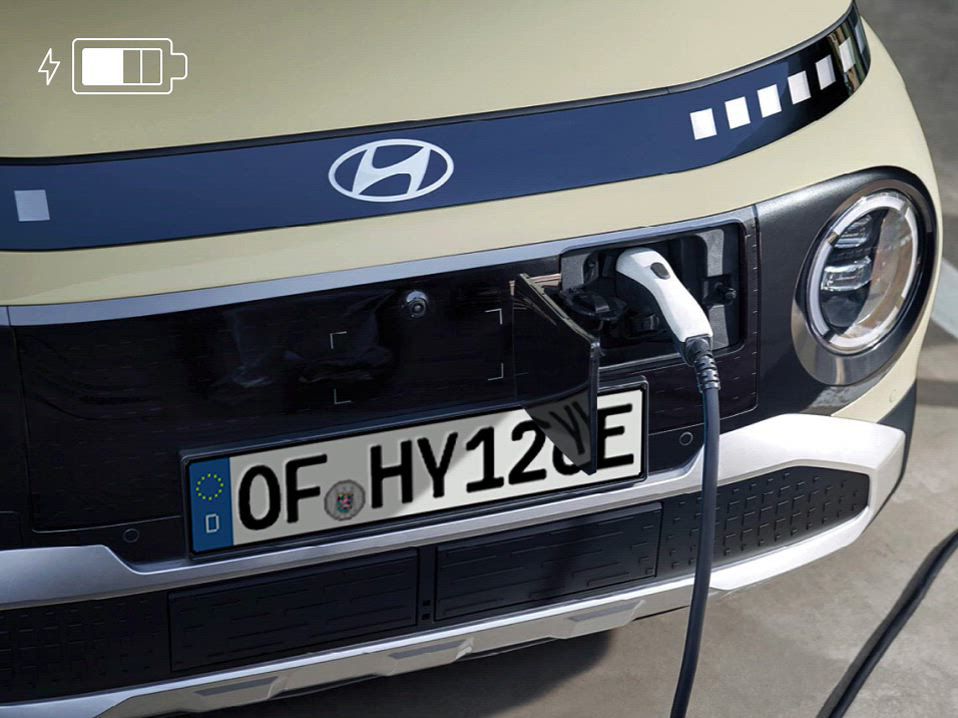
The electric motor produces 97 horsepower in the standard version, which is perfectly adequate for urban environments. The Inster EV is not a performance car, and Hyundai does not pretend it is — it is optimized for efficiency, comfort, and ease of use in city conditions. DC fast charging is supported at up to 85 kW, allowing the battery to be topped up relatively quickly during road stops.
Technology and Features: Surprisingly Well-Equipped
One of the most impressive aspects of the updated 2026 Inster EV is its technology package. Standard equipment now includes a 10.25-inch touchscreen infotainment system with wireless Apple CarPlay and Android Auto, over-the-air software update capability, and Hyundai's connected car services. The driver assistance package has also been strengthened, with lane keeping assist, forward collision warning with automatic emergency braking, and blind-spot monitoring all becoming more widely available across trim levels.
A V2L (Vehicle-to-Load) function — which allows the car's battery to power external electrical devices — is available on higher trim levels, adding genuine everyday utility value. This is a feature that even many premium EVs do not offer, and its presence in a compact urban EV like the Inster is remarkable.
How Does It Compare to Rivals?
In the compact electric SUV space, the 2026 Hyundai Inster EV competes with vehicles like the BYD Seagull, the Renault 5 E-Tech Electric, and the Volkswagen ID.2 (once it arrives). Against these rivals, the Inster EV holds its own particularly well on interior quality improvements and the breadth of its standard technology package. The BYD Seagull undercuts it on price but cannot match the Hyundai's refinement levels, while the Renault 5 E-Tech brings more driving character at a comparable price point.
AutoTickers Verdict: Is the 2026 Hyundai Inster EV Right for Azerbaijani Buyers?
For Azerbaijani consumers who are making their first leap into electric mobility, or who need a second family car for daily urban commuting, the 2026 Hyundai Inster EV presents a genuinely compelling case. Its elevated interior quality, expanded technology features, and practical range make it feel like a vehicle from a class above its price tag. Hyundai's strong after-sales network and the growing familiarity of the brand in the Azerbaijani market are additional reasons to feel confident about ownership.
The move to a more upscale positioning is a smart one — it differentiates the Inster EV from the flood of budget Chinese EVs entering the market and gives buyers a reason to pay a small premium for a product that feels genuinely well-engineered and thoughtfully designed. If compact electric SUVs are on your radar, the 2026 Hyundai Inster EV absolutely deserves your attention.
— AutoTickers Automotive Editorial Team