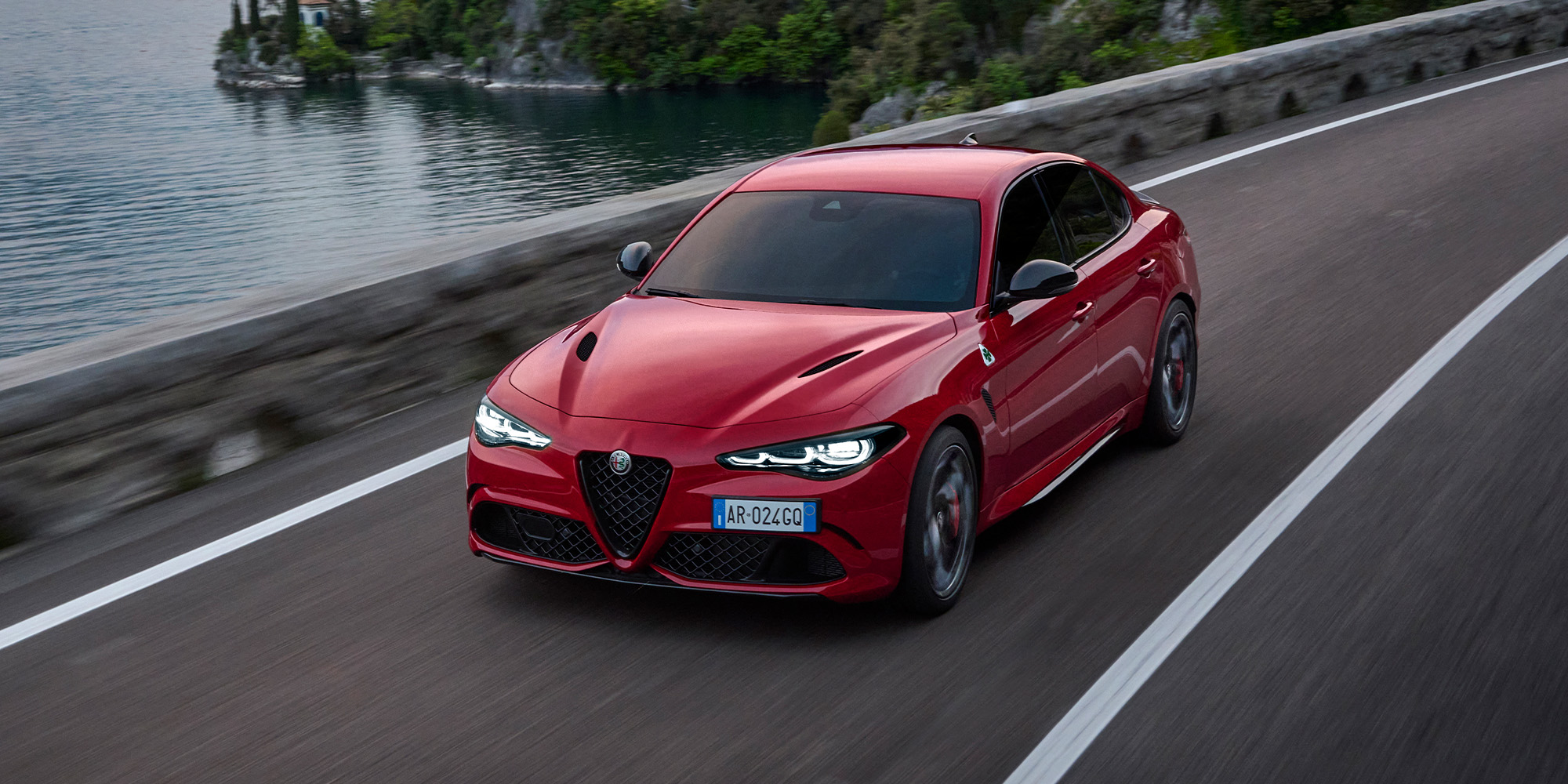
The Sedan's Fall from Grace: A Market Revolution Nobody Saw Coming
In 2010, the sedan was everywhere. The Toyota Camry, the Honda Accord, the BMW 3 Series, the Mercedes-Benz C-Class — these were the cars that defined the global automotive landscape. Families bought them, executives drove them, and young professionals aspired to them. The three-box, four-door sedan was the default answer to the question: "What car should I buy?"
Fast forward to 2026, and the picture could not be more different. Global sedan sales have declined by more than 40 percent compared to their peak a decade ago, while crossovers and SUVs now account for over 55 percent of all new vehicle sales worldwide. In the United States alone, the crossover segment has grown by more than 300 percent since 2012. In Europe, the shift is equally dramatic. In markets like China — once a stronghold of sedan culture — crossovers have overtaken sedans as the preferred family vehicle. The sedan is not merely declining. In many segments, it is disappearing entirely.
At AutoTickers, we have tracked this transformation closely, and what we are witnessing is not simply a change in buying preferences — it is a fundamental reshaping of what "the family car" means in the modern world.
The Numbers Tell a Brutal Story
The statistics are unambiguous. Ford discontinued its entire sedan lineup in North America back in 2019, retaining only the Mustang as a passenger car. General Motors followed a similar path, killing off the Chevrolet Cruze and Impala. Even premium brands have not been immune: Cadillac has drastically reduced its sedan offerings, and Lincoln abandoned sedans entirely years ago.
In 2026, the trajectory continues. The Toyota Camry — once the best-selling car in the United States for multiple consecutive years — has seen its annual sales volume drop significantly as buyers migrate to the RAV4 and the newly expanded Crown crossover family. The Honda Accord, a perennial favourite, continues to sell but at volumes that would have been considered a crisis-level performance in 2012.
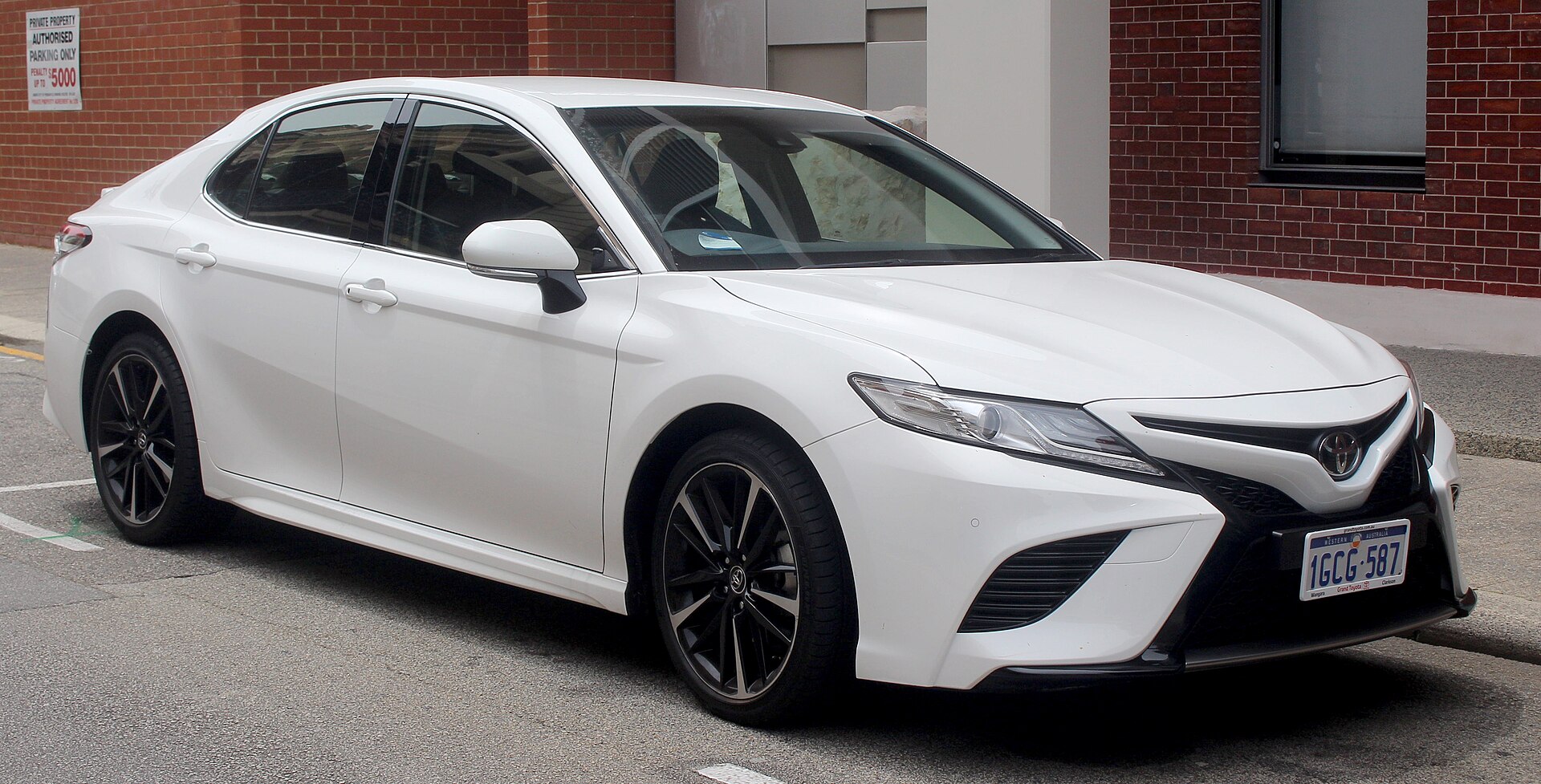
Meanwhile, the Toyota RAV4 has been the best-selling non-pickup vehicle in the United States for several consecutive years, a title that the Camry held for decades. The message from the buying public is clear, consistent, and growing louder with every passing quarter: buyers want height, they want space, and they want the visual presence that a crossover provides.
Why Are Buyers Abandoning Sedans?
1. The Seating Position Revolution
The single most cited reason for buyers choosing a crossover over a sedan is the elevated seating position. Getting in and out of a crossover is physically easier — particularly for older buyers, families with young children, and anyone who spends a significant amount of time in their vehicle. The commanding view of the road, the sense of visibility and security, and the effortless ingress and egress have proven to be decisive factors for the majority of family car buyers.
Sedans, by their very nature, sit lower to the ground. The driving position, while often sportier and more connected, requires more physical effort to enter and exit — a seemingly minor inconvenience that becomes a daily frustration for families loading and unloading children, groceries, and equipment.
2. Cargo Space and Practicality
A crossover's upright body style translates directly into significantly more usable cargo space than an equivalent sedan. The high roofline of a crossover allows for a larger, more accessible boot area, and the option of folding rear seats to create a genuinely flat load space is something that even the most spacious saloon boot cannot match. In a world where buyers are expected to carry pushchairs, sports equipment, and the full luggage requirements of a family holiday, the sedan's sloping bootlid is an increasingly difficult compromise to accept.
3. All-Wheel Drive Availability
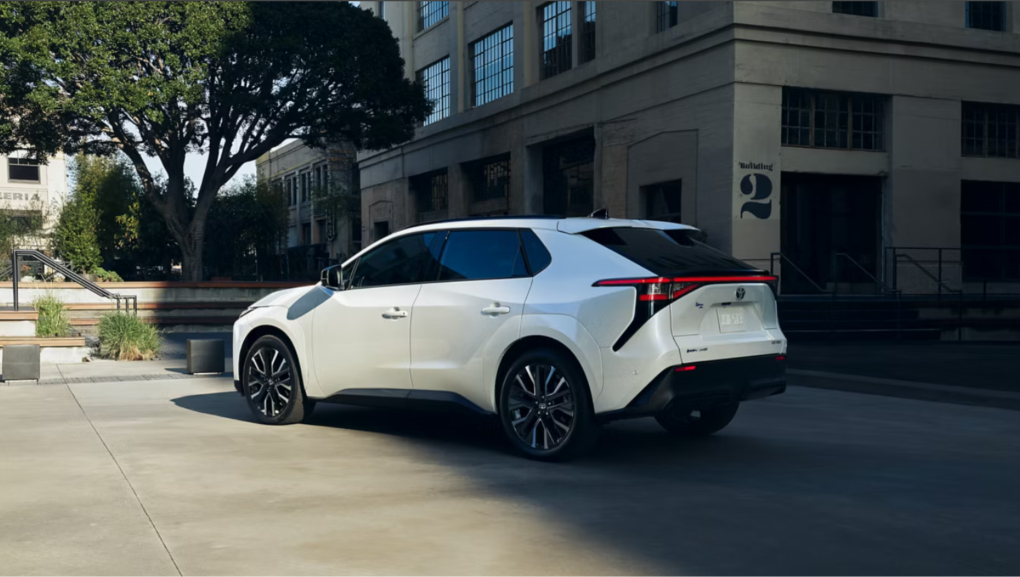
Crossovers — even those marketed as purely urban vehicles — almost universally offer all-wheel drive as an option, and in many markets, buyers strongly associate AWD with safety and capability in adverse weather conditions. This perception has been enormously powerful in markets with harsh winters, such as Canada, Scandinavia, Russia, and the northern United States. The sedan, historically available in both front-wheel and rear-wheel drive configurations, has struggled to compete with the perception that a crossover is inherently more capable in challenging conditions — whether or not that perception is always justified.
4. Social Status and Visual Presence
There is a social dimension to the crossover takeover that the automotive industry was slow to acknowledge but cannot ignore. In 2026, a large, tall crossover communicates success, capability, and modernity in a way that a sedan — no matter how well-designed — simply no longer does for most buyers. The sedan has, in many markets, become associated with conservatism, with rental fleets, and with an older generation of motoring. The crossover is aspirational in a way that the four-door saloon has ceased to be.
This shift is particularly pronounced among younger buyers — the millennials and Gen Z consumers who are now reaching their peak car-buying years. For this generation, a crossover is the natural default, and a sedan requires a deliberate, considered justification. The automotive industry has noticed. It has responded.
The Brands That Are Feeling It Most
Sedan Stalwarts Under Pressure
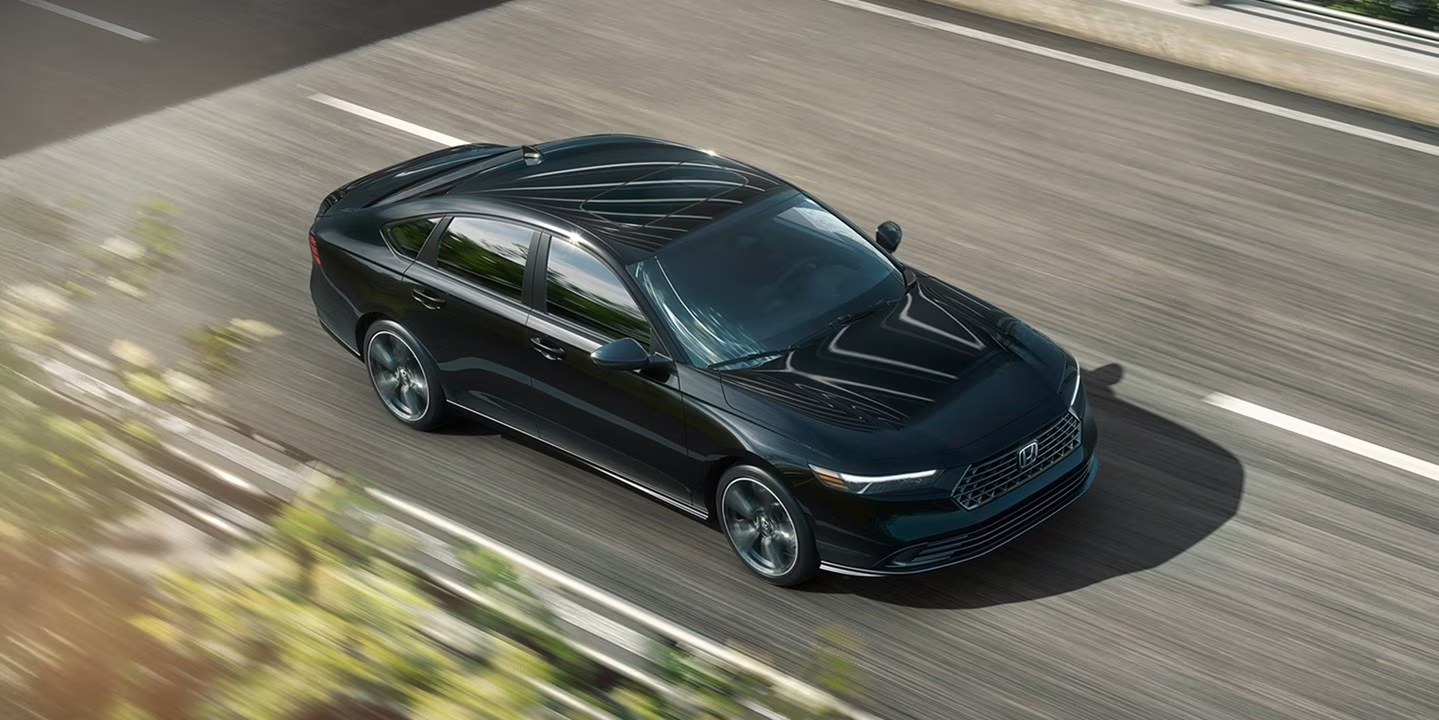
The 2026 Honda Accord remains one of the finest sedans ever built — a masterclass in space efficiency, refinement, and value. Yet even the Accord, consistently rated among the best family cars in any segment, sells in volumes that reflect the broader market reality. Honda has responded by dramatically expanding its SUV and crossover lineup — the CR-V, HR-V, Pilot, and Passport now collectively generate far more revenue than the Accord and Civic combined in many global markets.
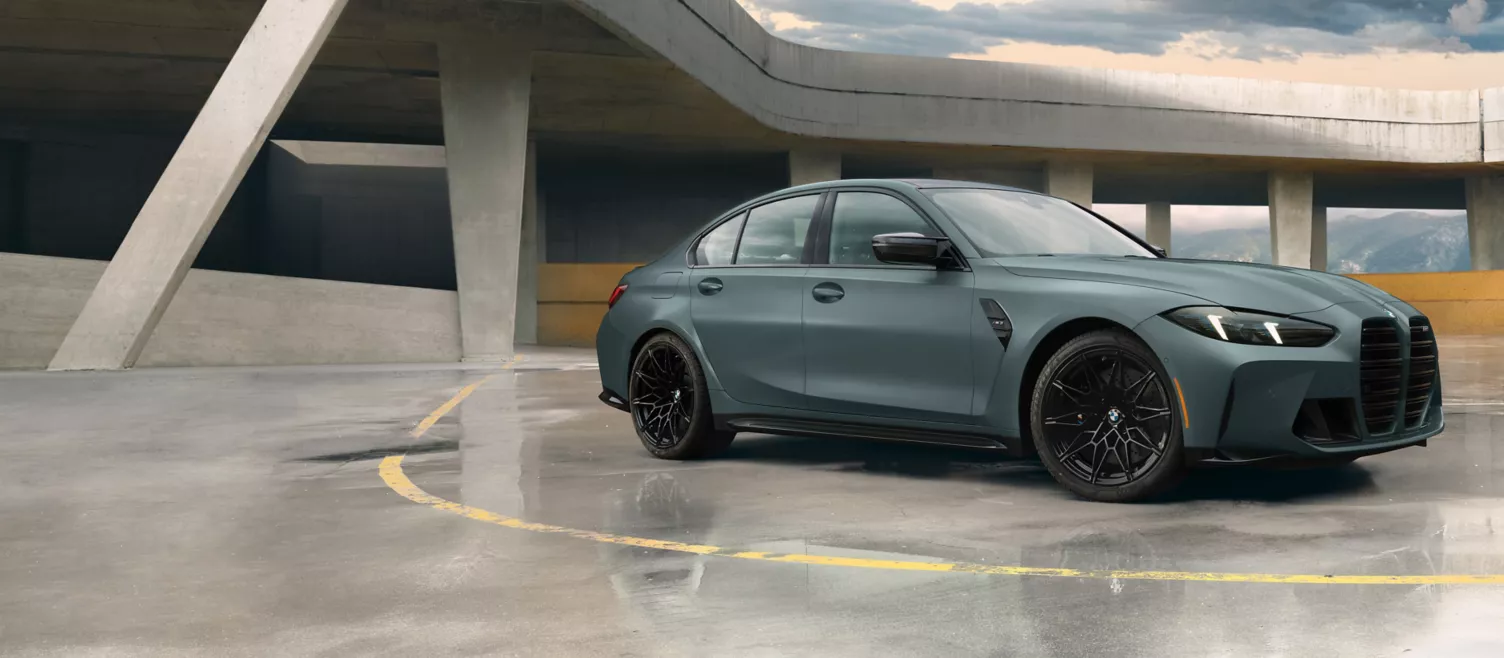
Even in the premium segment, the impact is visible. The 2026 BMW 3 Series, long considered the benchmark sports sedan and the spiritual heartbeat of the BMW brand, now sells in volumes that are eclipsed by the X3 and X5 crossovers within BMW's own lineup. BMW has not abandoned the 3 Series — it would be brand suicide to do so — but its investment priorities are unmistakably shifting. The next-generation 3 Series is confirmed to include a fully electric variant, and the internal combustion-engined versions will likely be fewer in number and positioned more as driver's cars than mainstream family vehicles.
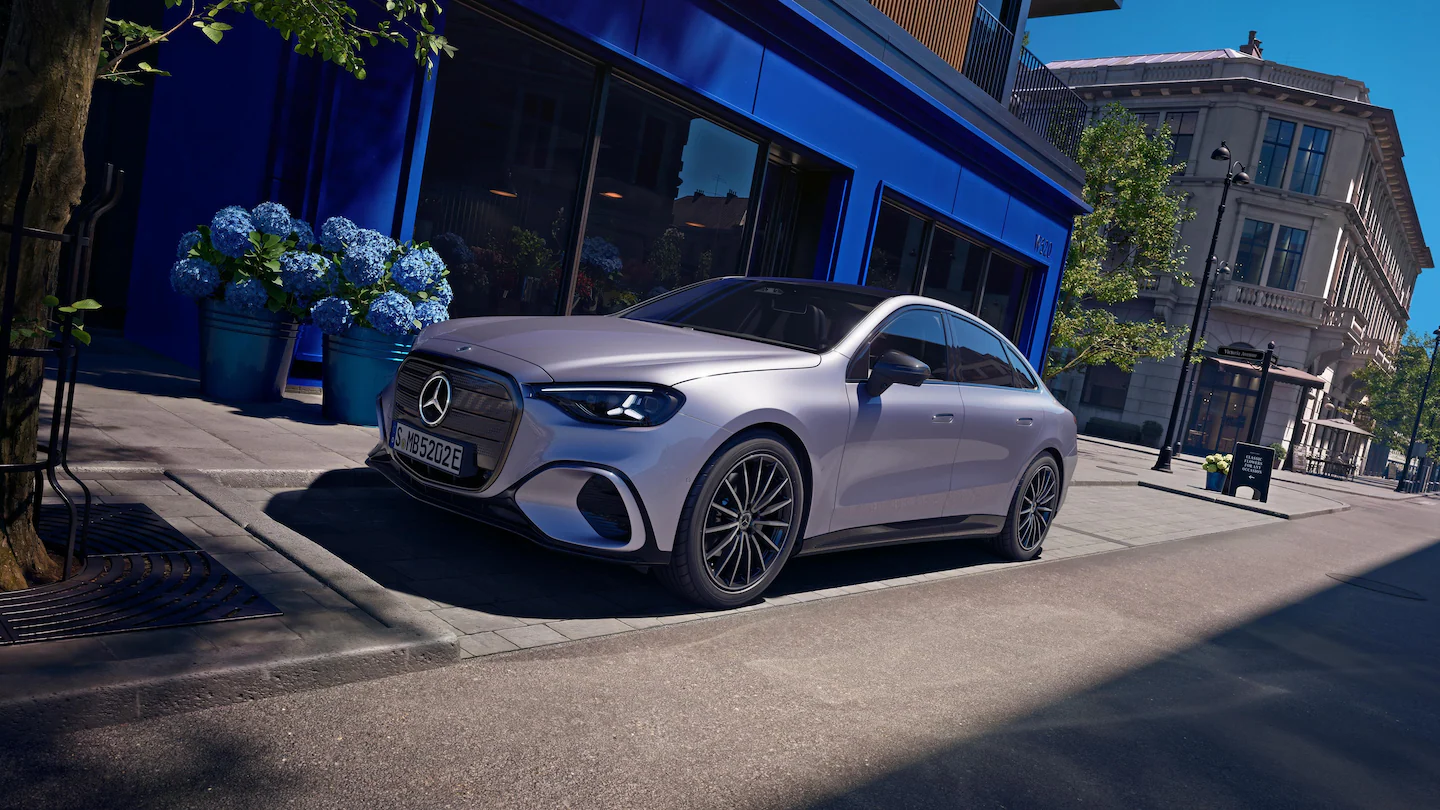
The 2026 Mercedes-Benz C-Class tells a similar story. Exquisitely engineered and beautifully appointed, the C-Class saloon is outsold by the GLC — a crossover built on the same platform — by a ratio of approximately two to one in most global markets. Mercedes-Benz has acknowledged this reality by investing heavily in GLC development and producing a bewildering array of crossover body styles across its lineup, from the compact GLA to the flagship GLS.
The Crossovers That Are Winning the War
Toyota RAV4 (2026) — The World's Favourite Car
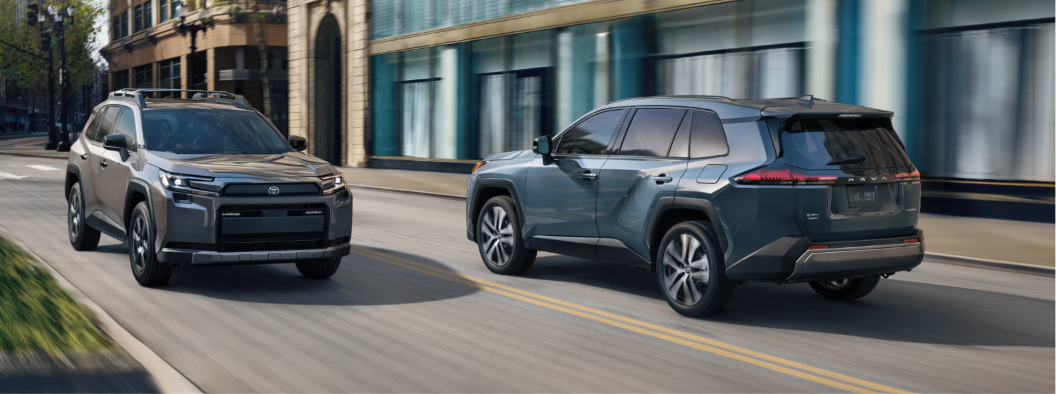
The 2026 Toyota RAV4 is the embodiment of everything the modern buyer wants. Practical, reliable, available with hybrid and plug-in hybrid powertrains, offered in both front-wheel and all-wheel drive, with a high seating position, generous cargo space, and Toyota's legendary dependability — the RAV4 ticks every box on the checklist of the 2026 family car buyer. It is not the most exciting vehicle to drive. It is not the most dynamically sophisticated. But it gives its owners exactly what they need, exactly when they need it, without drama or complication. In a busy, demanding modern life, that proposition is almost irresistible.
Honda CR-V (2026) — The Rational Alternative
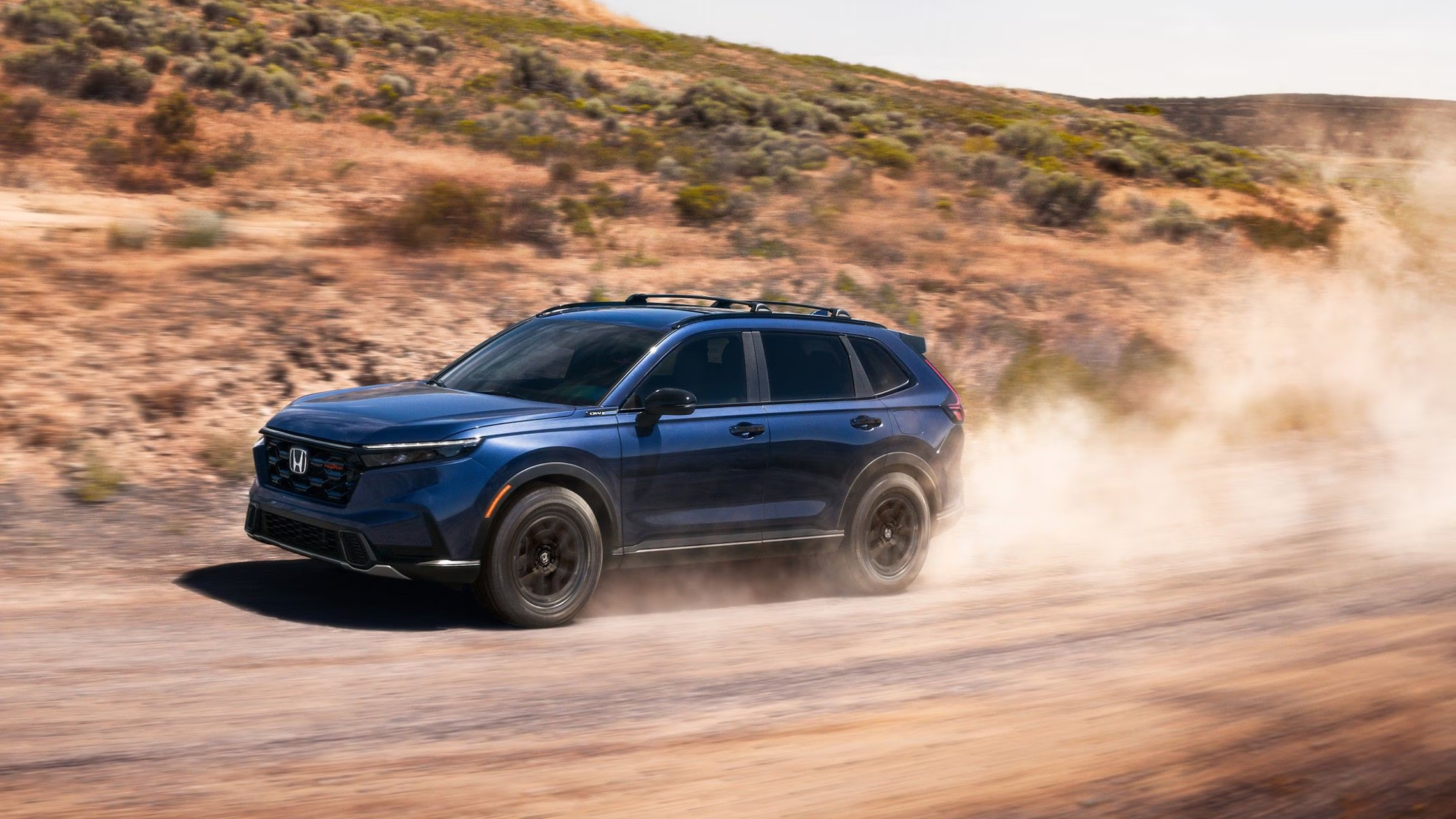
The 2026 Honda CR-V continues its decades-long run as one of the most popular crossovers in the world. With its spacious interior, class-leading fuel economy in hybrid form, and a reputation for reliability that rivals even Toyota, the CR-V represents everything the crossover revolution has been built upon. The 2026 model's enhanced hybrid system and expanded interior space make it an even more compelling alternative to the sedans it has effectively replaced in millions of garages worldwide.
Hyundai Tucson (2026) — The Value Champion
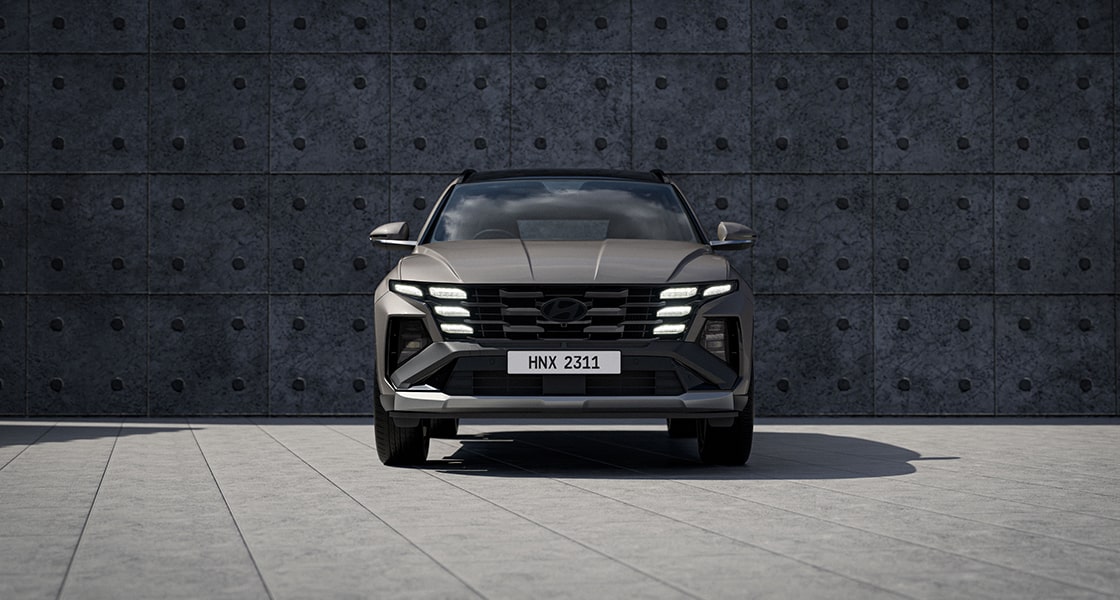
The 2026 Hyundai Tucson illustrates another dimension of the crossover story: value. Hyundai's design renaissance, combined with generous standard equipment and competitive pricing, has made the Tucson one of the fastest-growing crossovers in multiple global markets. Where buyers once compared the Elantra sedan with a Civic or a Corolla, they now compare the Tucson against the RAV4 and CR-V. The sedan comparison is no longer the primary frame of reference for mainstream family car buyers.
Is There Any Hope for the Sedan?
The question of whether the sedan can survive in meaningful numbers beyond the next decade is one that automotive analysts and enthusiasts debate fiercely. At AutoTickers, our view is nuanced.
The mainstream, volume-market sedan — the cars that competed in the $20,000 to $35,000 bracket and sold to families as their primary vehicle — is effectively dead in most Western markets. The economic and social forces driving crossover adoption are too powerful, too well-established, and too deeply embedded in buyer psychology to reverse. We will not see a return to the days when a Camry or an Accord outsold every crossover in its segment.
However, the sedan is not disappearing entirely. It is retreating to niches where it genuinely excels:
- Driver's cars: The BMW 3 Series, the Porsche Panamera, and the Mercedes-AMG C 63 retain a loyal following among buyers who prioritise driving dynamics above all else. A well-sorted sports sedan, riding lower and wider than any crossover, still delivers a driving experience that a tall, top-heavy SUV fundamentally cannot.
- Premium and ultra-luxury flagships: The Mercedes-Benz S-Class, the BMW 7 Series, and the Rolls-Royce Ghost remain sedans — and for the ultra-luxury segment, the sedan's elegant, low-slung silhouette remains the aspirational form. A Rolls-Royce Cullinan SUV may outsell the Ghost in volume, but the Ghost remains the brand's definitive expression of automotive elegance.
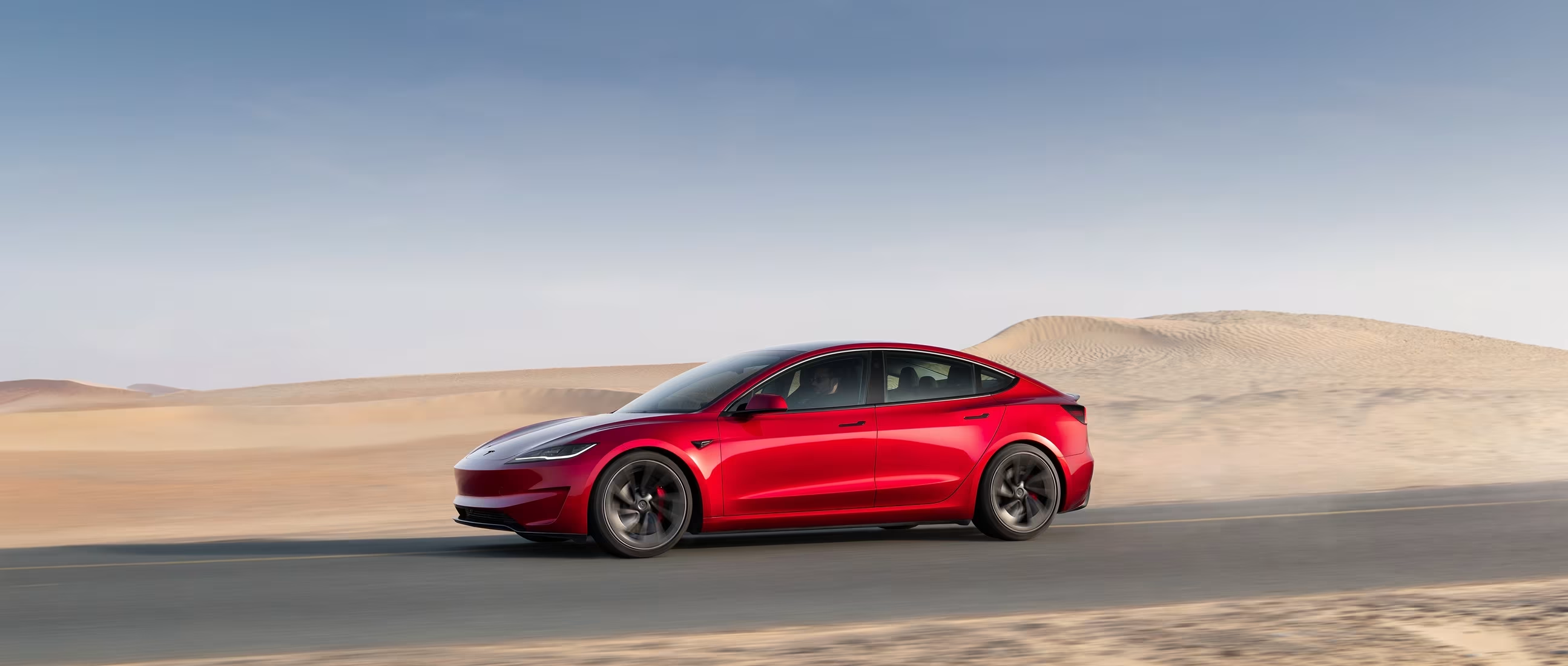
- Electric sedans: The rise of electric vehicles has created an unexpected lifeline for the sedan form. The Tesla Model 3 — one of the best-selling electric vehicles in the world — is a sedan. The new generation of electric sedans from BYD, BMW, and Mercedes-Benz suggests that the aerodynamic efficiency of a low-slung sedan body is actually better suited to maximising electric vehicle range than a taller crossover body. Battery electric vehicles may yet give the sedan a second life — but in a fundamentally transformed context.
The Cultural Cost of the Sedan's Decline
Beyond the market data and the sales charts, there is a cultural loss embedded in the sedan's decline that deserves acknowledgement. The great sedans of automotive history — the BMW E30, the Honda Accord of the 1990s, the Alfa Romeo 156, the original Audi A4 — were cars that defined generations, that shaped automotive culture, and that inspired genuine passion in the people who drove them.
The crossover, for all its practical virtues, has not yet produced its equivalent cultural icons. The RAV4 is beloved for its reliability. The CR-V is admired for its space. But does any buyer feel the same visceral, emotional attachment to their crossover that a previous generation felt for a well-sorted family sedan? The answer, in most cases, is no — and that represents a genuine impoverishment of the car culture that many of us grew up with.
There is an argument to be made that the crossover, by prioritising function so completely over form and feeling, has made cars into appliances — efficient, capable, but ultimately interchangeable. The sedan, at its best, was never merely an appliance. It was a statement, a companion, and a genuine source of joy. As it retreats from the mainstream market, something real and irreplaceable is being lost.
The AutoTickers Verdict: Adapt, But Remember What Made Cars Special
The crossover's dominance is not a trend — it is the new reality of the global automotive market, and it will not be reversed. By 2030, crossovers and SUVs are projected to account for more than 65 percent of global new car sales. The sedan, in the mainstream market, is a relic — still present, still occasionally excellent, but no longer the default choice that it once was.
At AutoTickers, we understand why buyers make the crossover choice. The arguments in favour of a crossover are rational, practical, and for most families, entirely correct. If you need space, ease of use, all-weather capability, and a commanding view of the road, a crossover is the logical answer in 2026.
But we also believe that the automotive world is diminished by the loss of the great driving sedan. We encourage every buyer to, at minimum, drive a sport sedan before making a final decision — to experience what a low centre of gravity, a properly sorted chassis, and a driver-focused cockpit feel like compared to a crossover equivalent. You may still choose the crossover. The practical case is hard to argue against. But you will at least know what you are choosing between, and what the road looks like from a little closer to the ground.
The sedan is dying. But it is not yet dead. And while it lives, it still has something to say.
— AutoTickers Automotive Editorial Team, 2026