
McLaren W1: A Car That Challenges Your Eyes Before It Challenges Physics
The McLaren W1 is, without question, one of the most extraordinary machines to emerge from the British Isles in living memory. As the spiritual successor to both the iconic McLaren F1 and the electrifying P1, expectations were sky-high when McLaren lifted the covers in late 2024. Now, with deliveries well underway into 2026, AutoTickers has had the opportunity to thoroughly assess this polarising hypercar — and the verdict is as complicated as the car itself.
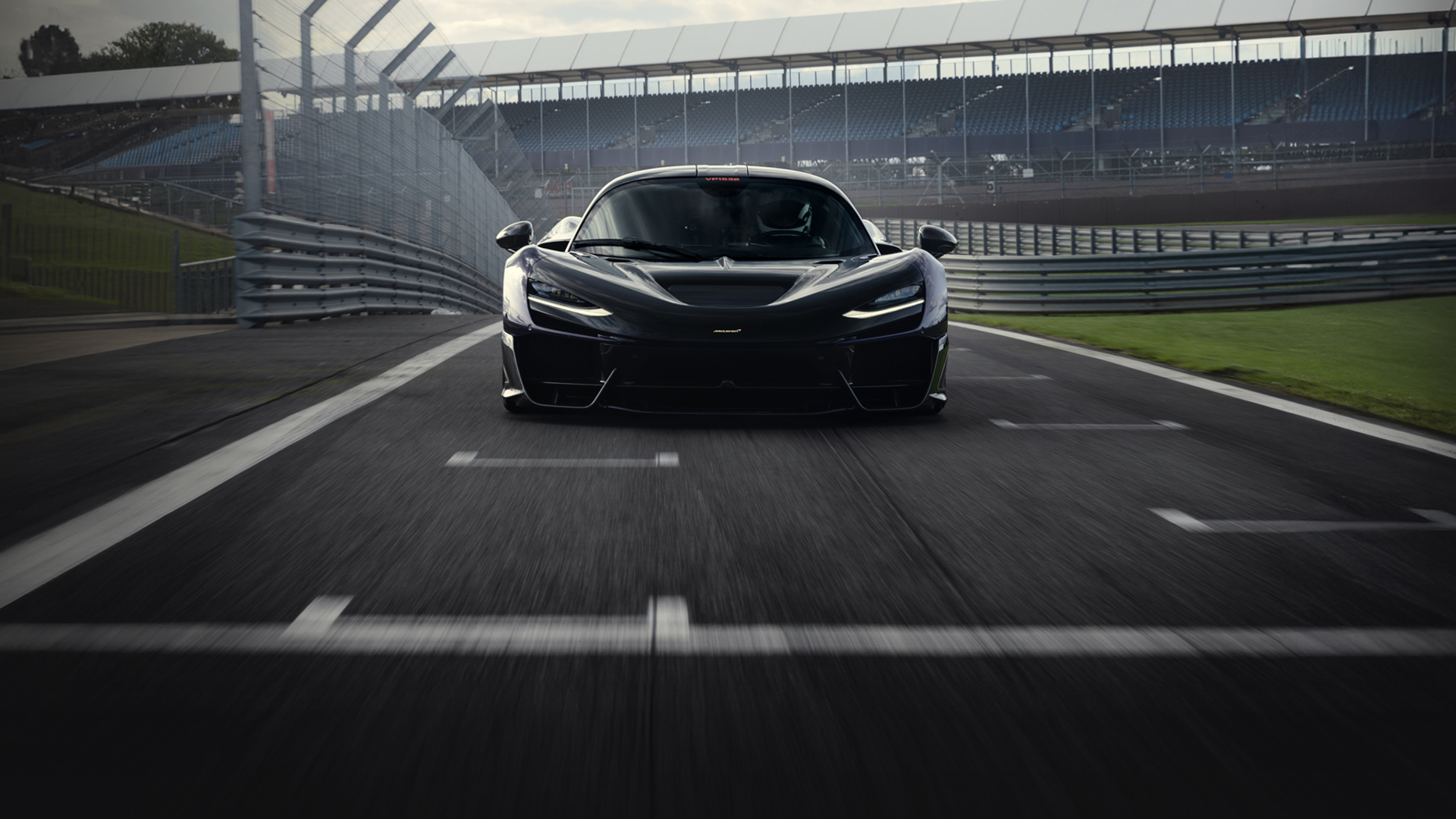
Let us get the elephant in the room out of the way first: the McLaren W1 does not look particularly good. There, it has been said. Where the P1 was dramatic yet cohesive, the W1 is a visual assault course that seems to prioritise aerodynamic function so aggressively that aesthetic harmony has been left behind in Woking. The front end is cluttered with intakes, splitters, and canards that, while aerodynamically purposeful, make the car appear unfinished or over-engineered from a styling perspective. The side profile is equally busy, with vents, channels, and aerodynamic appendages fighting for your attention. And the rear — dominated by the enormous active Rear Aero Blade — looks more at home on a racing prototype than a road car costing approximately £2 million GBP.

To be fair to McLaren's designers, every single element of the W1's bodywork serves a function. Nothing is decorative. The aggressive surfacing, the dramatic ducts, the retractable underbody diffuser — all of it contributes to generating up to 1,000 kg of downforce at high speed without the need for conventional large fixed wings. But knowing something is functional does not necessarily make it beautiful, and the W1 is a car that polarises in a way that the F1 and P1 never quite did.
Under the Skin: Where the W1 Becomes Truly Remarkable
Step beyond the styling, however, and you enter a world of engineering that is genuinely breathtaking. The McLaren W1 is powered by a 4.0-litre twin-turbocharged V8 petrol engine — an evolution of McLaren's long-serving M840T unit — paired with a Formula 1-derived hybrid system that McLaren calls the Integrated Electrical Vehicle (IEV) architecture. Together, this combined powertrain produces a monumental 1,275 bhp (1,292 PS) and 1,340 Nm of torque.

These are not simply numbers on a press release. The W1 rockets from 0 to 100 km/h in just 2.7 seconds, and goes on to a verified top speed of 350 km/h (217 mph). The delivery of power is relentless and linear in a way that defies the expectations you might have of a hybrid powertrain. The electric motors fill the gaps between turbo pulses with near-instant torque, creating an acceleration experience that feels seamless and almost supernatural. It is genuinely one of the most astonishing things you can experience behind a steering wheel.
The chassis is built around a lightweight carbon fibre monocoque that McLaren has refined over decades of Formula 1 involvement. Despite carrying the weight penalty of a sophisticated hybrid system, the W1 tips the scales at just 1,399 kg dry — a remarkable engineering achievement. The suspension tuning is laser-sharp, and the steering communicates with a directness and precision that is rare even in this rarefied segment of the market.
The Aerodynamics: Function Over Form, Taken to the Extreme
One cannot discuss the McLaren W1 without spending considerable time on its aerodynamic package — because it is arguably the most sophisticated ever fitted to a road car. The active Rear Aero Blade (RAB) system, inspired directly by Formula 1 DRS technology, adjusts automatically depending on driving conditions. At low speeds it retracts to reduce drag; at high speeds and during cornering it deploys to generate maximum downforce. Combined with the active underbody diffuser and the carefully sculpted front aero elements, the W1 produces levels of aerodynamic grip that blur the line between road car and racing car.
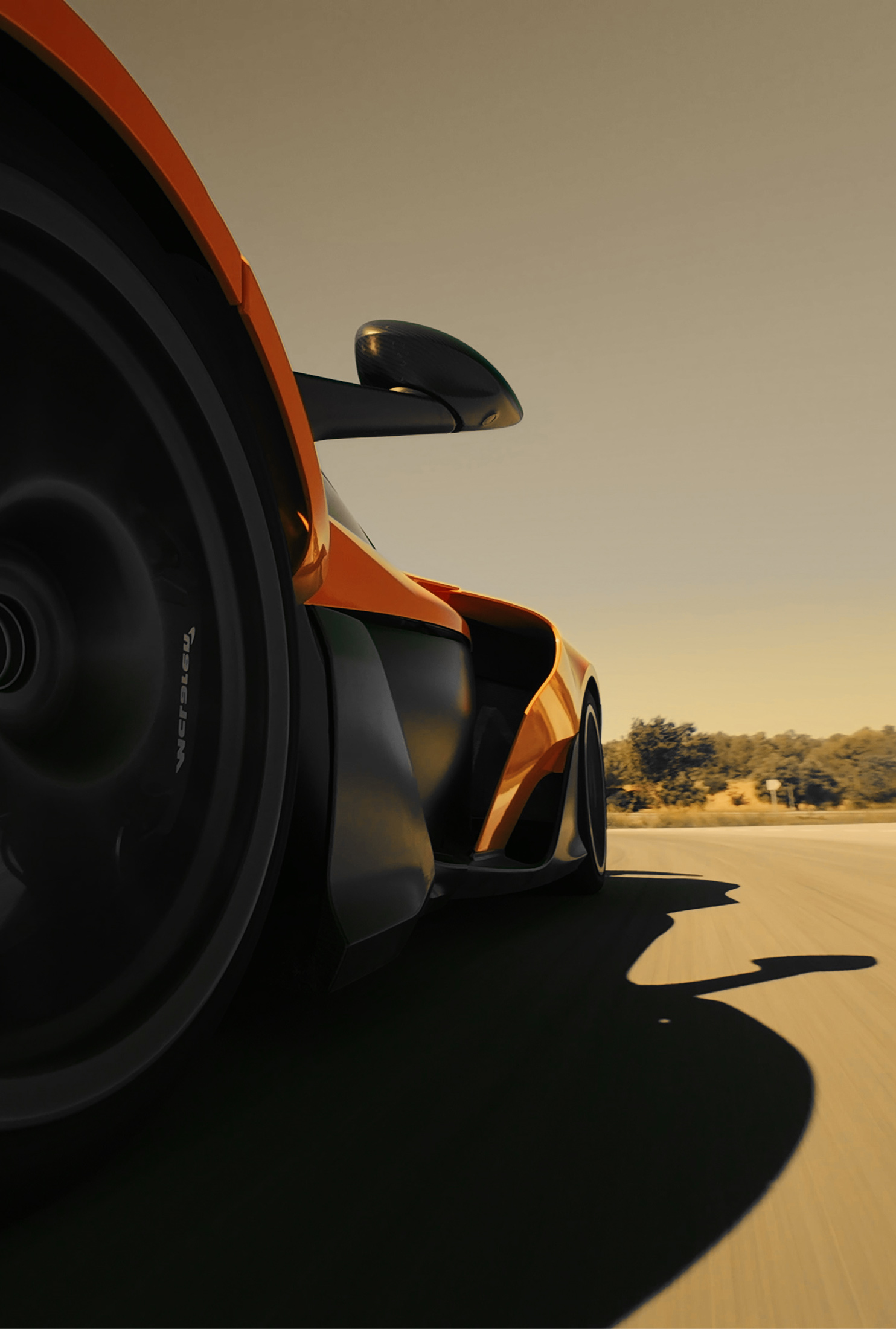
It is precisely this aerodynamic sophistication that explains — though perhaps does not fully excuse — the W1's challenging appearance. McLaren made a deliberate decision to prioritise downforce and aerodynamic efficiency above all else, including visual elegance. Whether that was the right decision is a matter of fierce debate among automotive enthusiasts, and frankly, it is a debate worth having.
Inside the Cockpit: Driver-Focused to the Core
If the exterior divides opinion, the interior of the McLaren W1 is considerably easier to appreciate. The cabin is unashamedly focused on the driver, with a low seating position, a minimalist dashboard architecture, and a steering wheel lifted almost directly from a Formula 1 car. McLaren's Folding Driver Display — a slim digital instrument cluster that folds away when the car is parked — is a clever and visually striking piece of design that demonstrates McLaren can, when focused on the cockpit rather than the body panels, produce genuinely beautiful work.
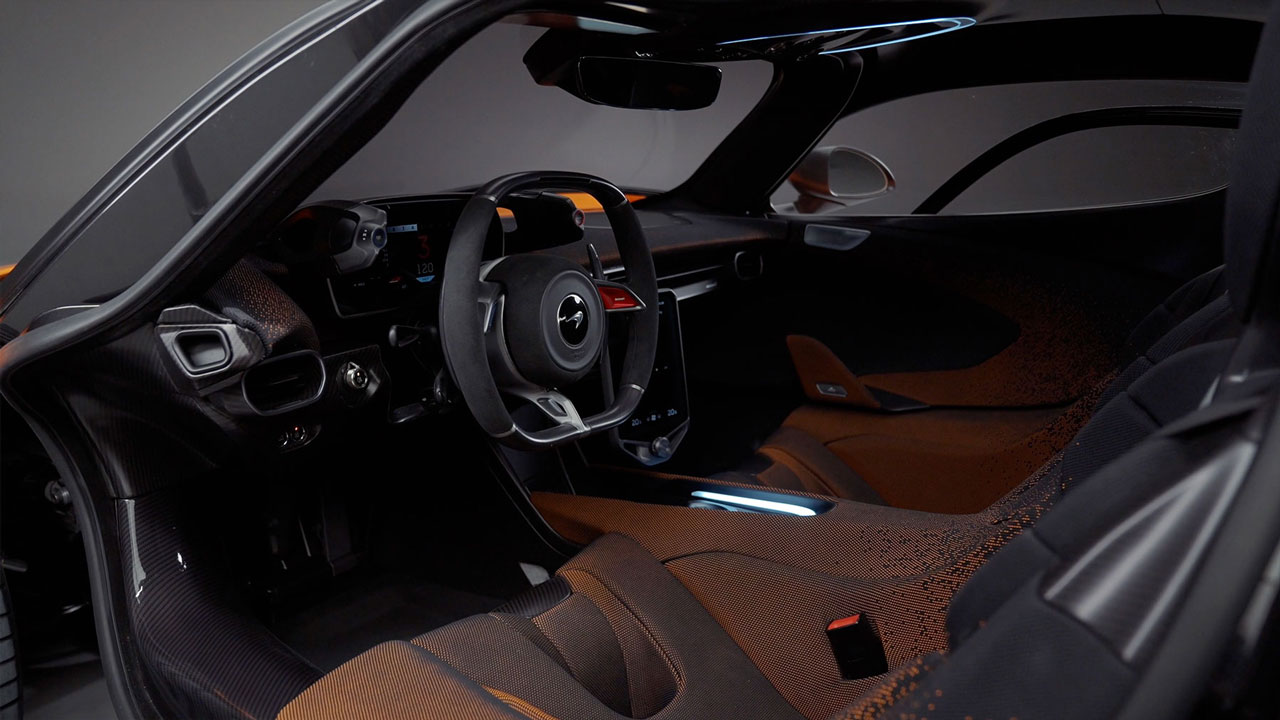
The driving position is exceptional — you feel connected to the car in a way that few road cars can match. Every input through the steering wheel, every modulation of the throttle, is amplified and communicated back to you with extraordinary clarity. This is a car built around the act of driving, and in that regard, it succeeds on a level that few of its peers can match.
The Honest Verdict: Does Performance Excuse the Design?
So, where does all of this leave us? The McLaren W1 is a car of two very distinct halves. On one hand, it is visually controversial — a machine that many automotive observers, even seasoned ones, find difficult to call beautiful. The styling is aggressive to the point of being abrasive, and it lacks the elegance and visual drama that made its predecessors so universally admired. The F1 was achingly beautiful. The P1 was menacing but cohesive. The W1 is neither — it is something else entirely, a piece of rolling aerodynamic sculpture that prioritises function with almost militant determination.

On the other hand, the performance of the W1 is so profound, so far beyond what most humans will ever experience, that it demands a fundamental reassessment of what a hypercar is and what it can achieve. The 1,275 bhp output, the F1-derived aerodynamics generating 1,000 kg of downforce, the razor-sharp chassis, the extraordinary communicativeness — all of it combines to produce a driving experience that is genuinely without peer on public roads.
With only 399 units planned for production and every single one already allocated to customers, the McLaren W1 is already a collector's piece and a landmark automobile. You may not hang a poster of it on your wall. You may not find yourself drawn to photographs of it in the way you were with the F1 or P1. But if you are fortunate enough to ever sit inside one and experience what 1,275 bhp of intelligently deployed power feels like through a perfectly tuned chassis, you will not care one bit about what the bodywork looks like from the outside.
The McLaren W1 is not the prettiest hypercar of 2026. But it may well be the greatest.
— AutoTickers Automotive Editorial Team