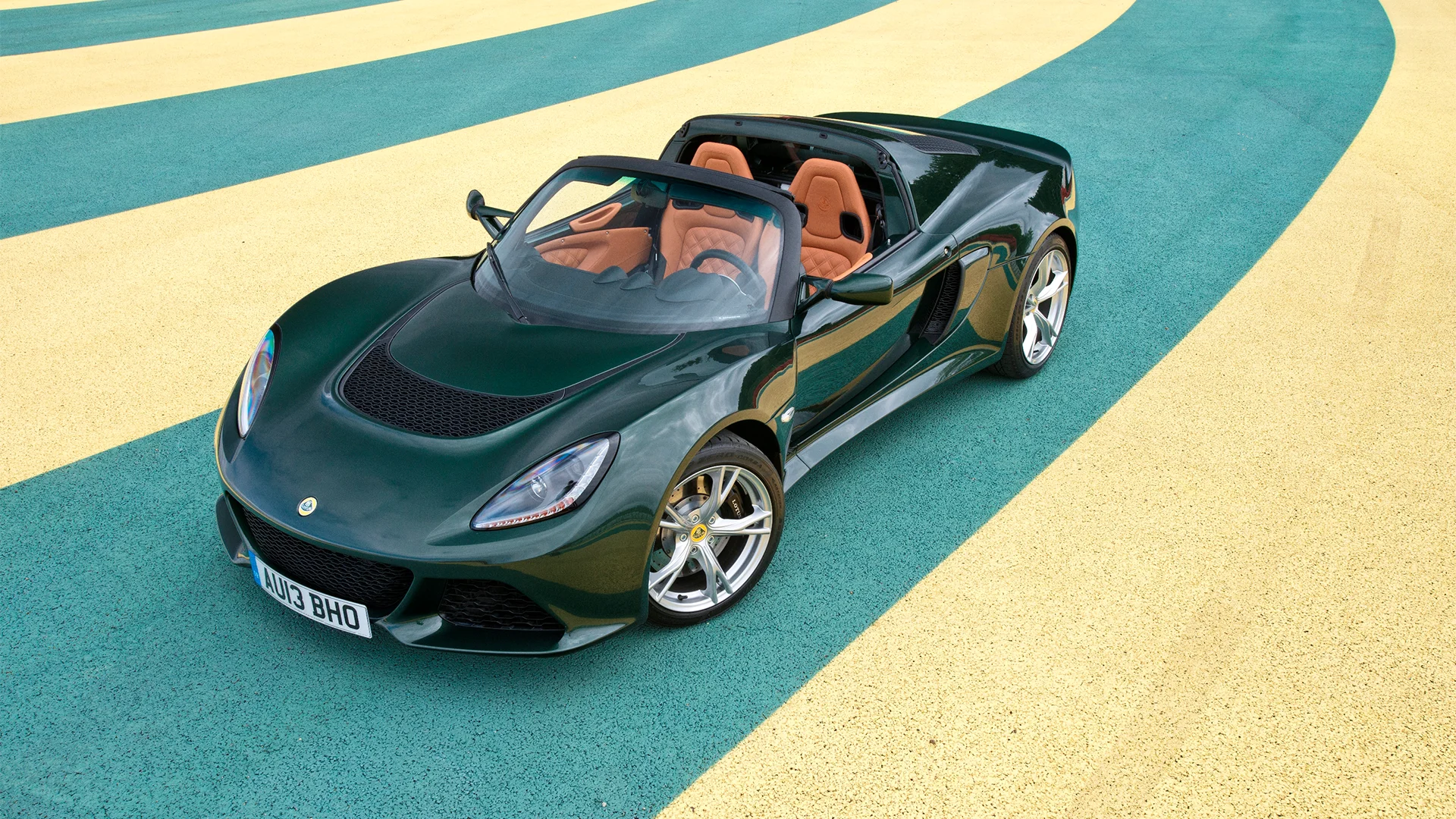
Introduction: The Car That Made Ferrari Owners Nervous
In the world of performance cars, price and prestige do not always dictate pace. Few vehicles in automotive history have demonstrated this truth as convincingly as the Lotus Exige. Born from the philosophy of Colin Chapman — Simplify, then add lightness — the Exige was never meant to be a comfortable grand tourer or a flashy status symbol. It was engineered from the ground up to be the purest, most focused driver's machine imaginable, and in doing so, it became the small Ferrari that Britain never officially called a Ferrari.
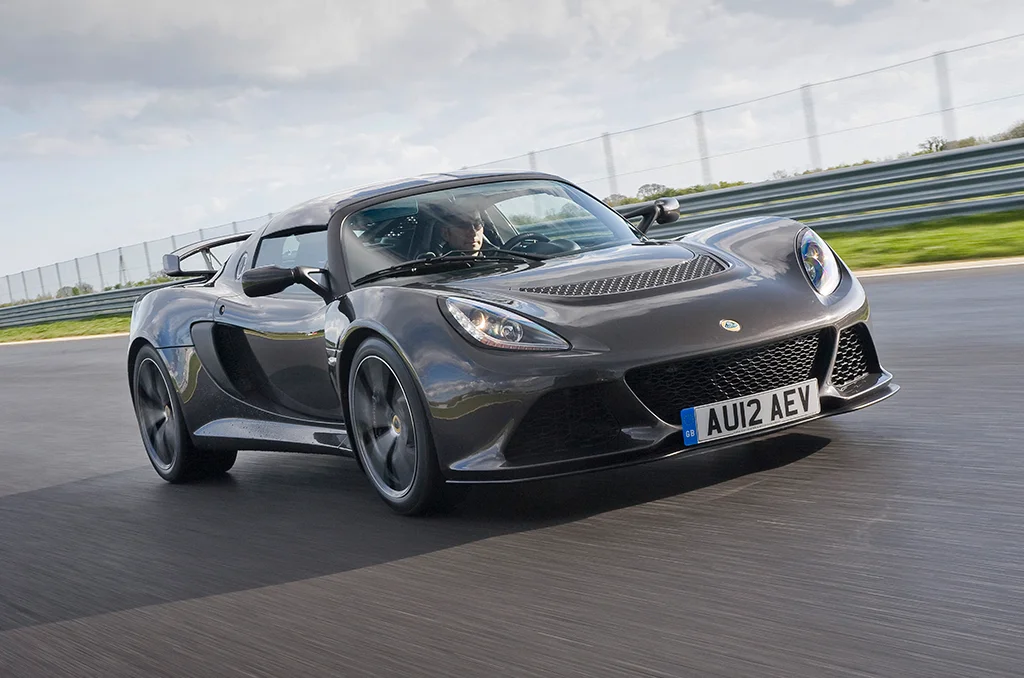
At AutoTickers, we have always had a deep respect for cars that prioritise talent over theatre, and the Exige is perhaps the greatest example of this philosophy in action. Its story spans more than two decades, three distinct series, and a legacy that continues to resonate even as the model has now ceased production.
Origins: From Elise to Exige
The Lotus Exige story begins with the Lotus Elise, which debuted in 1996. The Elise was already considered a revelation — an ultra-lightweight roadster built around an extruded aluminium bonded chassis that weighed just over 700 kg. But Lotus engineers and the motorsport community wanted something more extreme. Something with a roof, more aggressive aerodynamics, and sharper dynamics for track use.
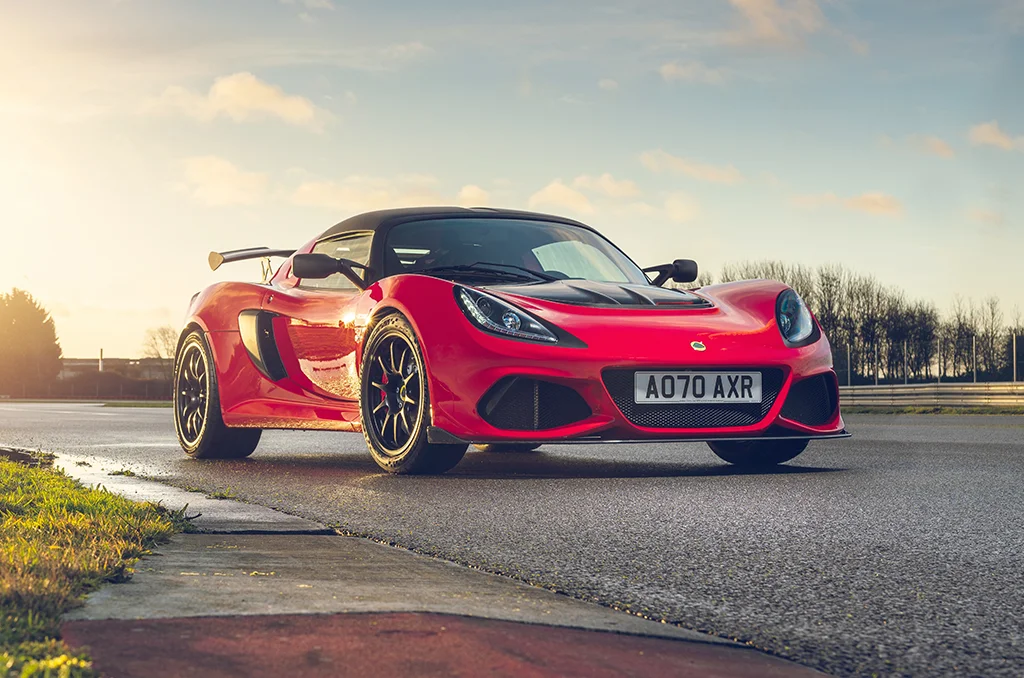
The answer was the Lotus Exige Series 1, which arrived in 2000. Sharing the Elise's platform and the same 1.8-litre Rover K-Series engine producing around 177 bhp, the Exige added a distinctive hardtop coupe body, a fixed front splitter, and a rear wing that meant business. The result was a car that weighed just 785 kg and could lap tracks at speeds that left drivers of far heavier and more powerful cars staring at its tail lights in bewilderment.
Series 2: Refinement Without Compromise
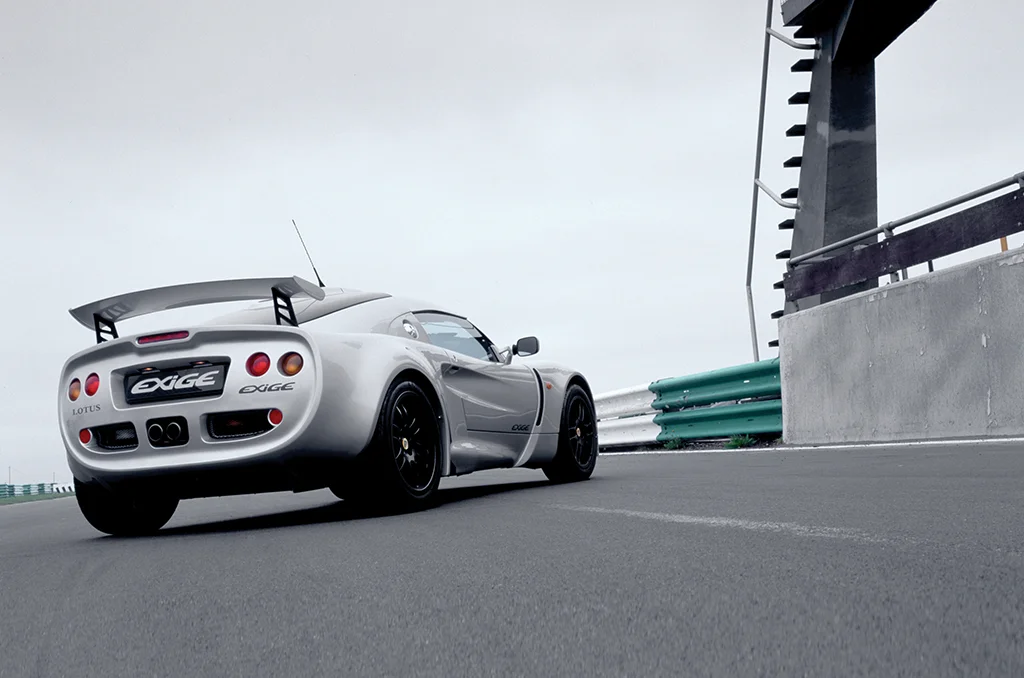
The Lotus Exige Series 2, launched in 2004, brought significant evolution. Lotus switched to a Toyota-sourced 1.8-litre 2ZZ-GE engine, a unit known for its impressive rev capability — screaming toward an 8,200 rpm redline. In standard form it produced 189 bhp, but Lotus offered the supercharged Exige S variant, which pushed output to 218 bhp in a car that still weighed under 900 kg. The performance-to-weight ratio was devastating.
What made the Series 2 truly special, however, was not just the numbers. It was the communication. Every input through the steering wheel, every flex of the throttle, every breath of braking was translated back to the driver with a clarity and intimacy that cars costing three or four times as much simply could not replicate. Contemporary road tests regularly placed the Exige S ahead of Porsche Cayman S models and alongside Ferrari 360 Challenge Stradale variants in terms of lap time performance — a stunning achievement for a car priced significantly below its rivals.
Series 3: The V6 Monster Arrives
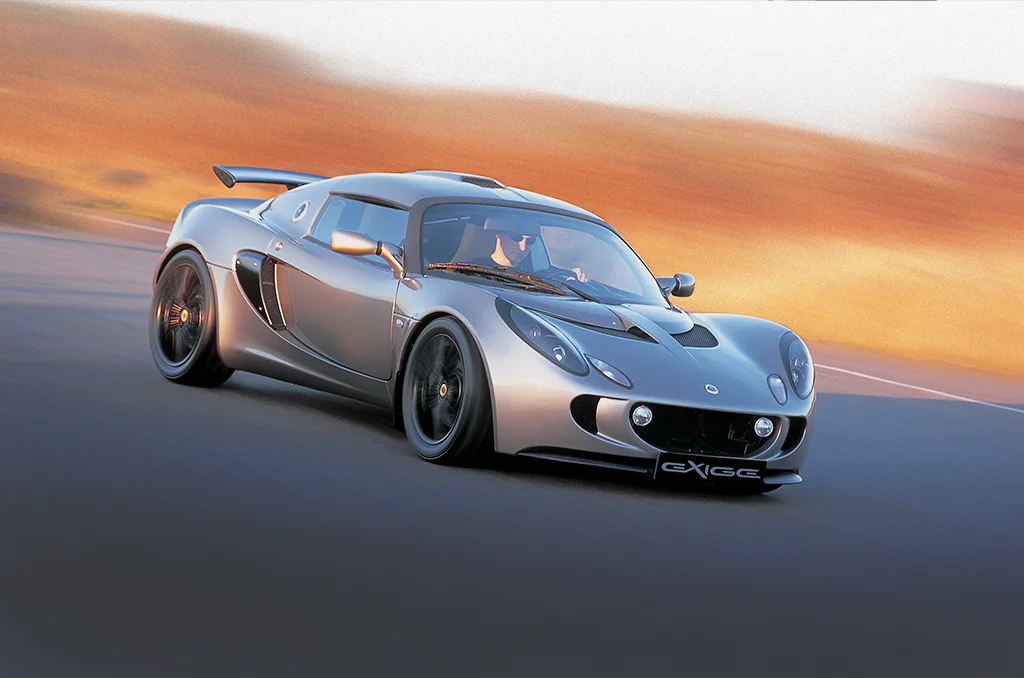
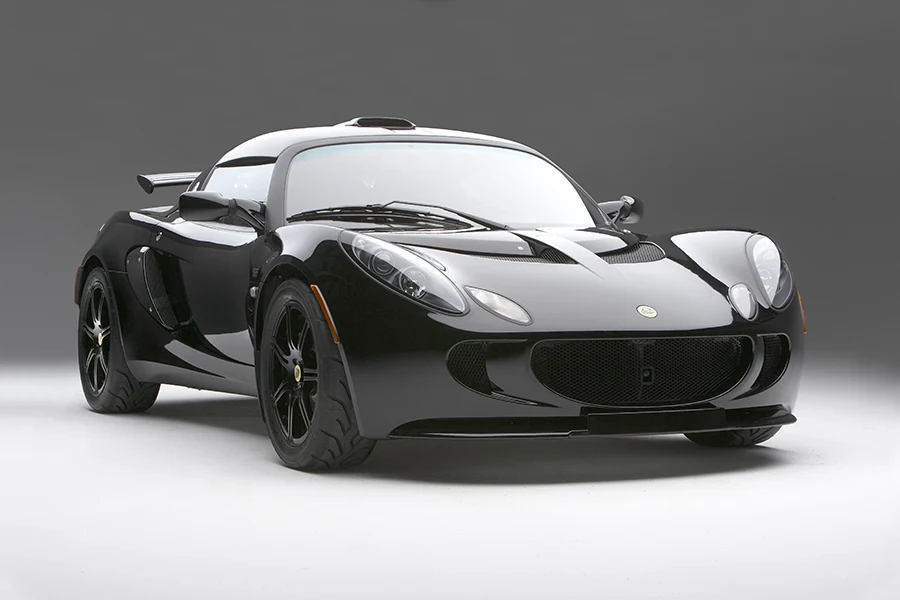
In 2011, Lotus transformed the Exige with the introduction of the Exige Series 3, and the biggest change was under the bonnet. Gone was the four-cylinder Toyota unit, replaced by a mid-mounted Toyota 3.5-litre V6 supercharged engine producing 345 bhp in the Exige S V6. The car now sprinted from 0 to 100 km/h in just 3.8 seconds and reached a top speed of 274 km/h — figures that genuinely enter Ferrari territory.
Yet despite this significant power increase, Lotus maintained its commitment to lightness. The Exige S V6 tipped the scales at approximately 1,176 kg — still remarkably light for a car of this performance level. With a downforce figure of 127 kg at 240 km/h thanks to its aerodynamic package, the Exige was as capable on track as ever, perhaps more so.
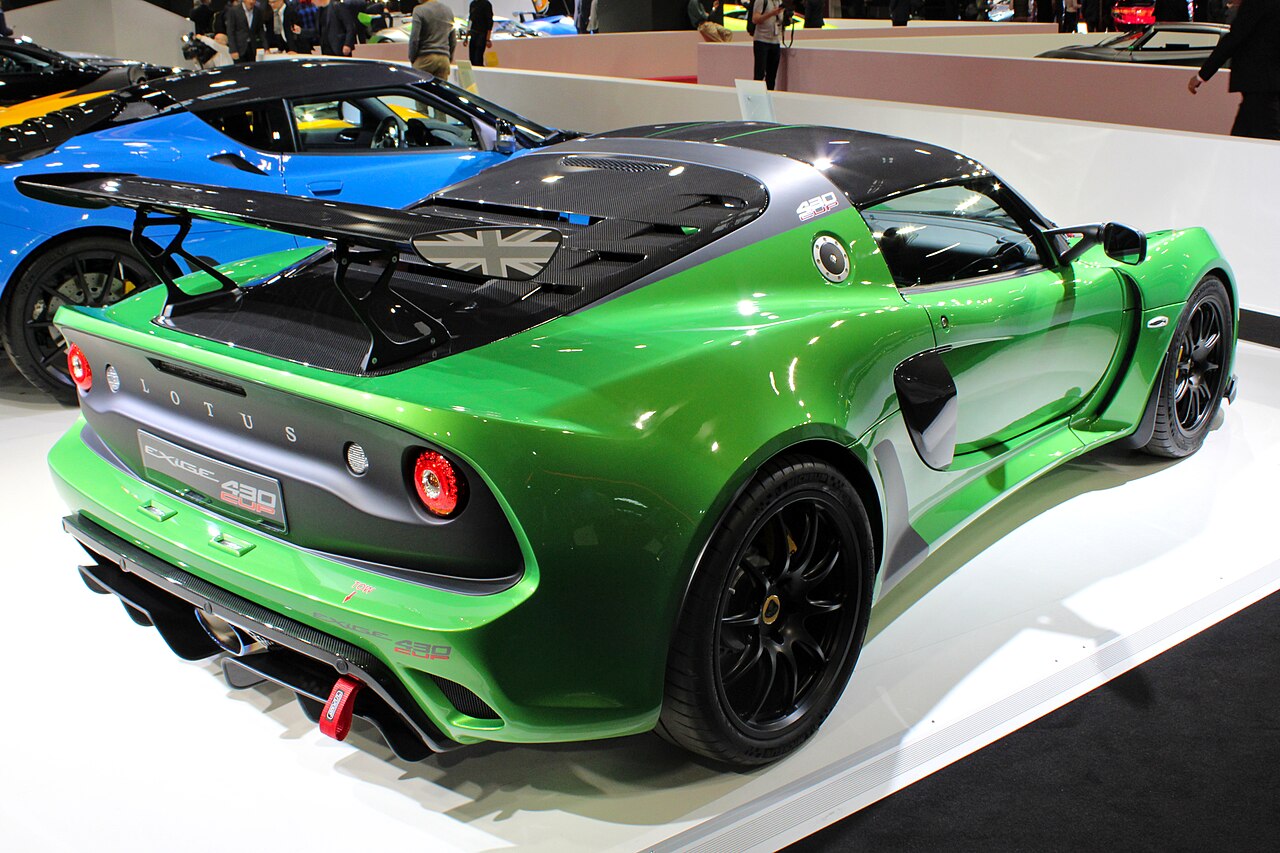
Special editions followed, including the brutal Exige Cup 430, which produced 430 bhp, weighed just 1,054 kg, and lapped the Hethel test track faster than a Porsche 918 Spyder in certain configurations — a fact that still sounds almost impossibly bold but is well documented in contemporary automotive testing records.
Why It Is Called the Small Ferrari
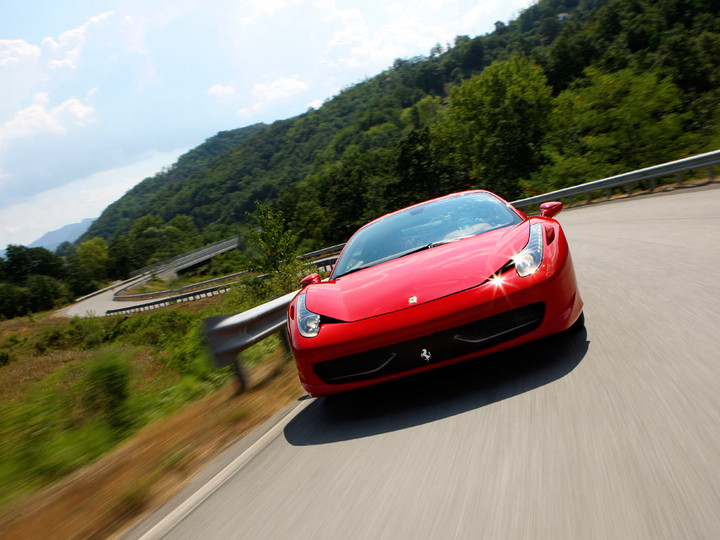
The comparison to Ferrari is not merely romantic hyperbole. On numerous track days and professional circuit evaluations, the Lotus Exige — particularly the V6 variants — was genuinely competitive with Ferrari models that cost double or even triple the price. The Ferrari 458 Italia was considered the benchmark supercar of its era, yet experienced track drivers in well-set-up Exige Cup variants regularly matched or approached its lap times on circuits across Europe.
The reason is elemental physics. Ferrari builds extraordinary engines and magnificent cars, but they are also heavier, more complex, and in many respects designed to be used on public roads with a degree of everyday usability in mind. The Exige, stripped of such compromise, attacks corners with a ferocity born of obsessive weight reduction. Its chassis balance, direct rack-and-pinion steering, and near-perfect weight distribution create a dynamic experience that is, in pure driver engagement terms, arguably superior to anything from Maranello at double the price.
Living With the Exige: The Real World Experience
It would be dishonest to discuss the Lotus Exige without acknowledging its demands on the driver and the owner. The cabin is intimate to the point of claustrophobia for taller individuals. The ride quality — particularly in Cup specification — is brutally firm. Air conditioning is available but feels almost apologetically tacked on. Getting in and out requires a degree of athleticism that becomes less amusing as years pass.
But these are not flaws. They are features of intent. The Exige was never designed to be your daily driver or your airport transfer vehicle. It was designed to be your finest hour on a Sunday morning, on a mountain road, or on a track day where you want to embarrass cars that cost significantly more. In that specific context, it is without peer.
End of Production and the Legacy
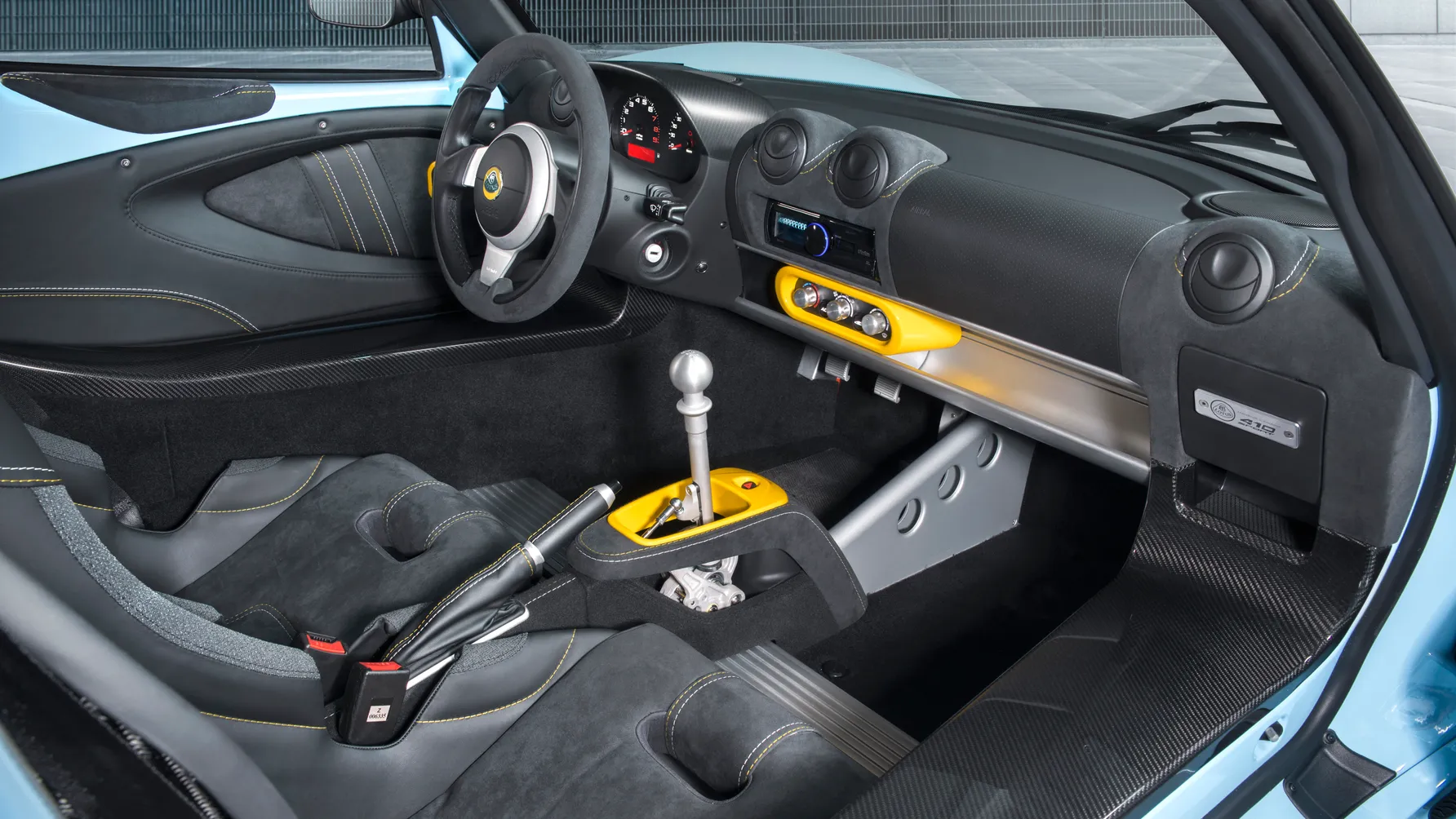
Lotus officially ended production of the Exige in 2021, as the company pivoted toward an electrified future under Geely ownership. The final cars — particularly the Exige Sport 410 and Exige Cup 430 — are now appreciating assets, with well-maintained examples commanding significant premiums on the used market globally, including in the Middle East and Caucasus regions.
The Exige's legacy is already cemented in automotive history. It proved that you do not need a V12, a prancing horse badge, or a six-figure price tag to build one of the world's most compelling driving experiences. It proved that engineering genius, when applied with conviction and without compromise, can outrun almost anything regardless of budget.
AutoTickers Verdict
From where we stand in 2026, looking back at the Lotus Exige's production run, we see a car that was chronically under-appreciated during its lifetime and is only now receiving the reverence it always deserved. If you ever encounter one on the road — whether in Baku, London, or anywhere else — watch it carefully. That small, angular, slightly alien-looking coupe is one of the most complete driver's cars ever assembled on British soil, and it will continue to embarrass far more expensive machines for decades to come.
The small Ferrari? Perhaps that title undersells it. The Lotus Exige was, in many measurable ways, better than a Ferrari. And that remains one of the most remarkable achievements in modern automotive history.