The $100,000 Dream That Slipped Away
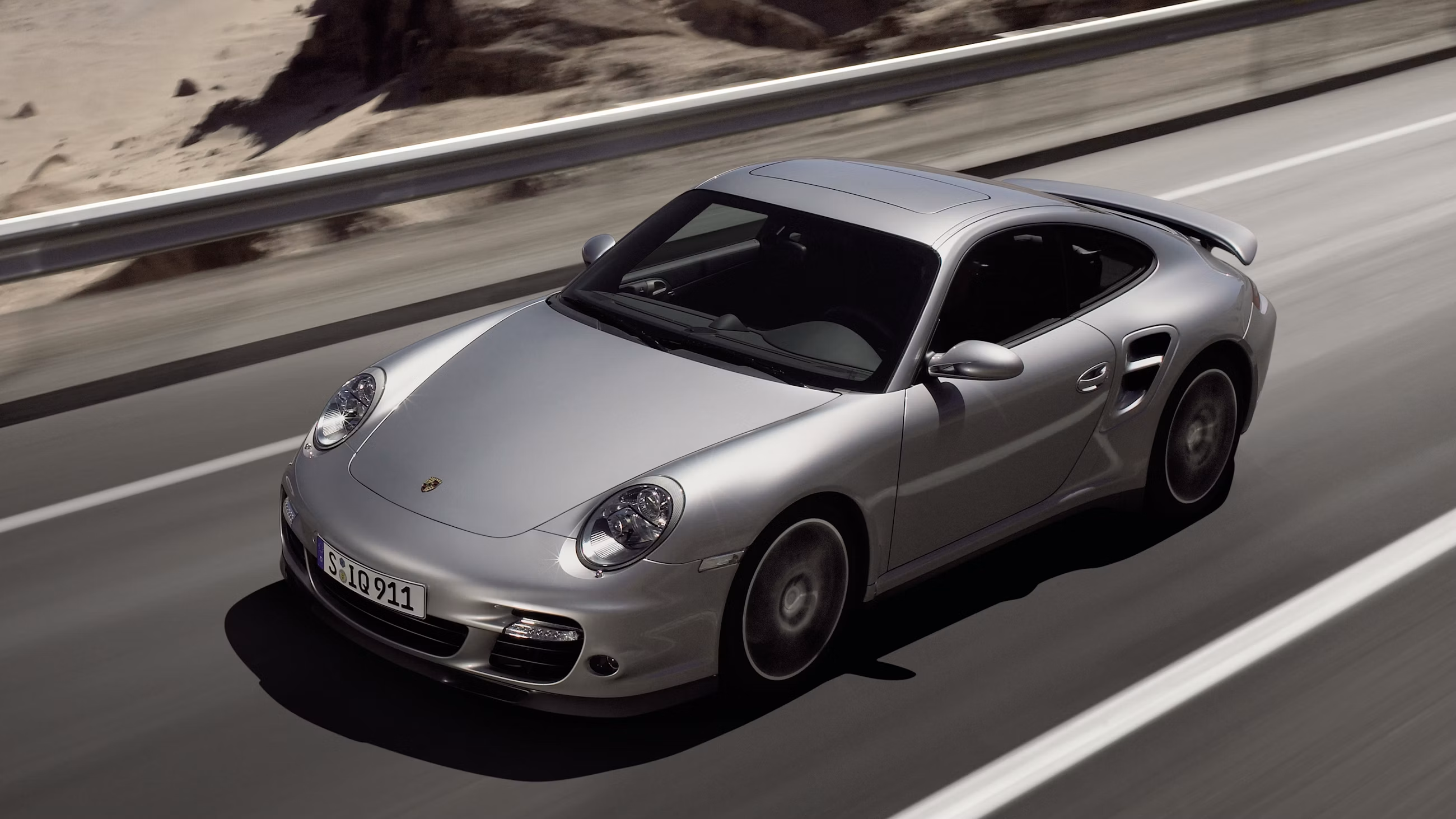
Cast your mind back to 2011. The global economy was still nursing wounds from the 2008 financial crisis, fuel was relatively cheap, and the exotic car market was — by today's standards — remarkably accessible. With a budget of $100,000, a serious automotive enthusiast could scan the used market and leave with the keys to an Lamborghini Gallardo, a mid-engine Ferrari F430, or a Porsche 911 Turbo (997.1). These weren't base-model compromises — these were genuine, fire-breathing supercars.
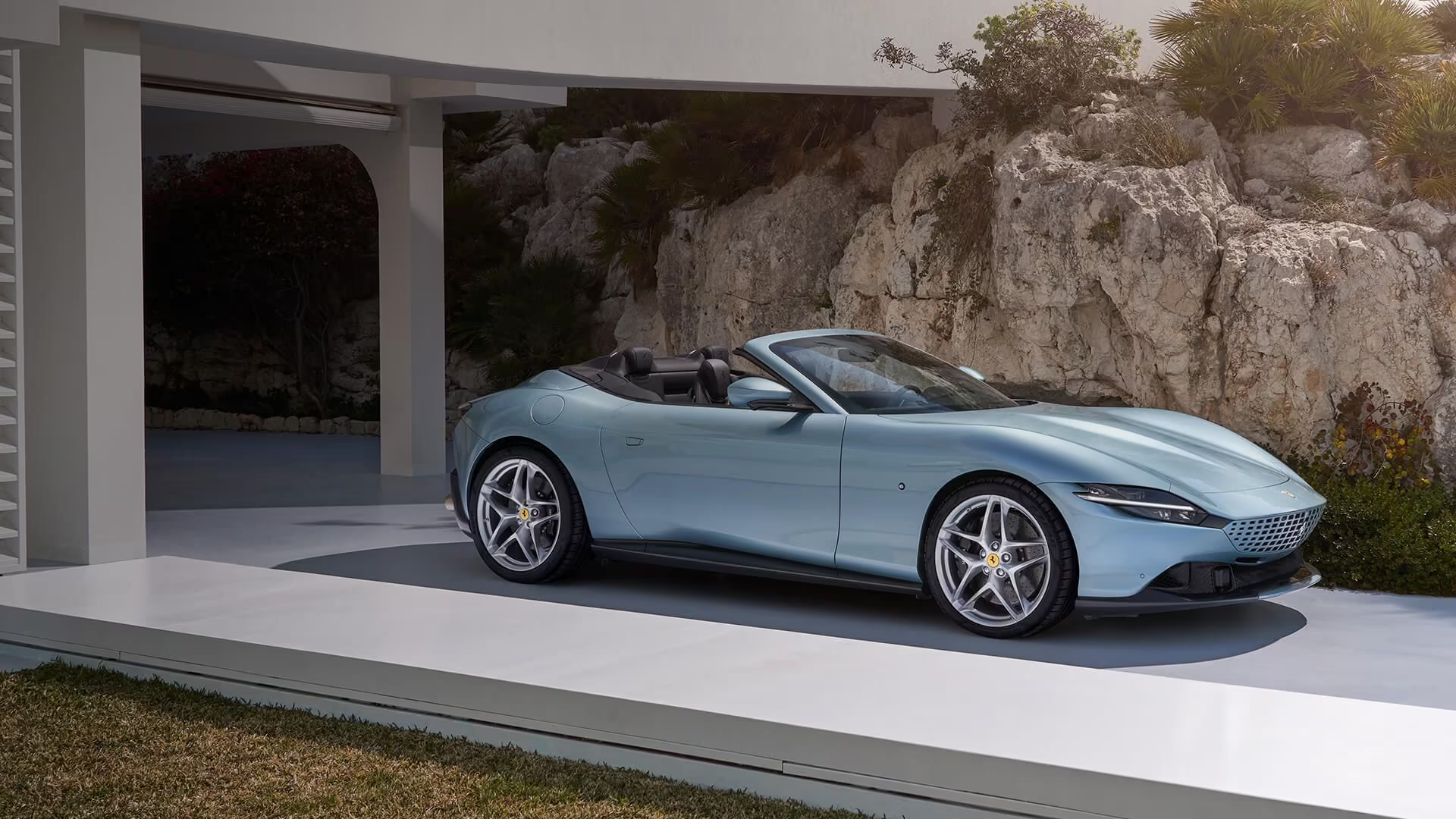
Fast forward fifteen years to 2026, and that same $100,000 — even when adjusted for cumulative US inflation of roughly 38% since 2011, bringing it to approximately $138,000 in today's money — doesn't come close to buying well-maintained used examples of those exact same machines. Today, clean 997.1 Turbos and Gallardos regularly push past the $110,000 to $130,000 mark, while gated-manual Ferrari F430s have exploded into highly coveted six-figure collector items. If you are looking at their modern equivalents on the secondhand market, the gap widens into pure fantasy: a lightly used Lamborghini Huracán or Ferrari 488 still commands well over a quarter-million dollars, proving that the affordable exotic era has well and truly vanished.
What Happened? The Anatomy of Exotic Car Price Inflation
The explosion in exotic car prices is not a single-cause story — it is a confluence of powerful market forces that compounded over fifteen years.
1. Technology and Regulatory Costs
Modern supercars are technological marvels. The 992-generation 911 GT3 features an 8,200-rpm naturally aspirated flat-six, advanced PDK or manual gearbox options, carbon-ceramic brakes, active rear-axle steering, and aerodynamic systems that would have seemed like science fiction in 2011. Complying with increasingly stringent global emissions, pedestrian safety, and crash regulations adds tens of thousands of dollars to manufacturing costs — and those costs are passed directly to the buyer.
2. Electrification Investment
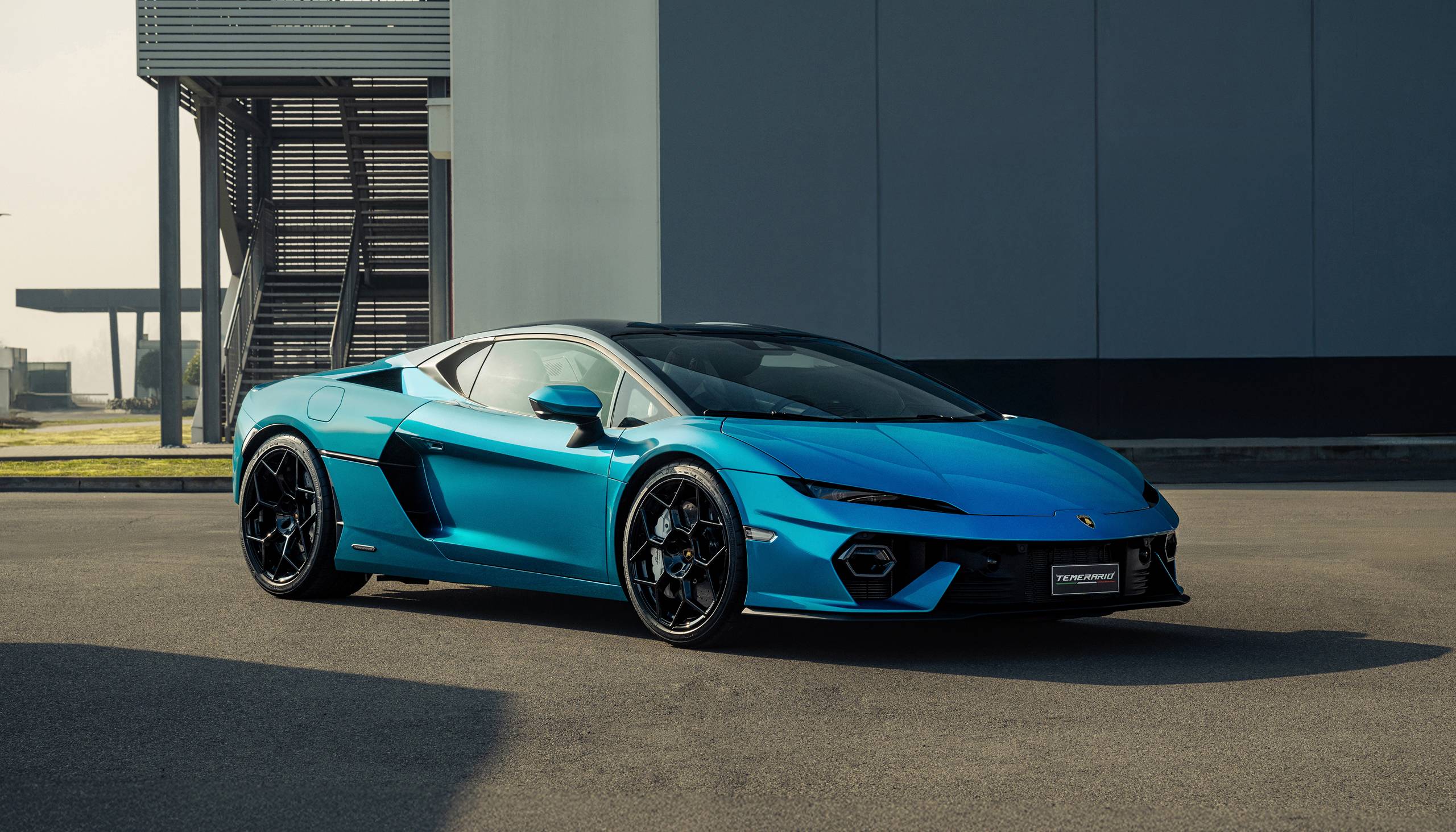
Ferrari, Lamborghini, and Porsche are all investing billions into hybrid and electric powertrains. The Lamborghini Revuelto — successor to the Aventador — is a plug-in hybrid starting at over $500,000. These R&D costs inflate the prices of every car in the manufacturer's lineup, even the 'entry-level' models.
3. The Collectibility and Scarcity Premium
The used market for 2011-era exotics has also gone stratospheric. A Ferrari 458 Italia — which retailed for around $230,000 new in 2011 — now trades for $180,000 to $220,000 used, holding value that would have been unthinkable for a used supercar a decade ago. Enthusiasts recognized these naturally aspirated, analog masterpieces as the last of a dying breed before turbos and hybrids took over. That emotional premium is now baked into every asking price.
4. Post-Pandemic Demand Surge and Supply Chain Crisis
The 2020–2022 period saw unprecedented demand for luxury and exotic vehicles as high-net-worth individuals redirected spending from travel and experiences into tangible assets. Simultaneously, semiconductor shortages crippled production capacity. The result: waiting lists stretched to three and four years, and dealers charged six-figure markups above MSRP as standard practice. That pricing psychology has never fully reset.
5. Globalization of Wealth
The pool of ultra-high-net-worth buyers competing for limited production supercars has grown dramatically. New money from Asia, the Middle East, and technology sectors has created a global bidding war for the world's most desirable automobiles, pushing prices to levels that decouple them from traditional middle-class purchasing power.
So Where Does That Leave the $100,000 Enthusiast in 2026?
Here's the honest truth: $100,000 in 2026 remains a significant amount of money in the automotive world — just not in the brand-new supercar segment. The good news is that the used performance car market is filled with genuinely extraordinary machines that deliver exotic-level thrills, engineering excellence, and real driving purity for well under that figure. As someone who has driven most of these cars, I can tell you with confidence: several of them will make you forget the Ferrari brochure entirely.
At AutoTickers, we have curated the definitive alternatives list for the discerning driver with a $100,000 budget in 2026.
The AutoTickers Alternatives List: Extraordinary Cars Under (or Around) $100,000
1. Audi R8 V10 Manual — 1st Gen Type 42 (2010–2015)
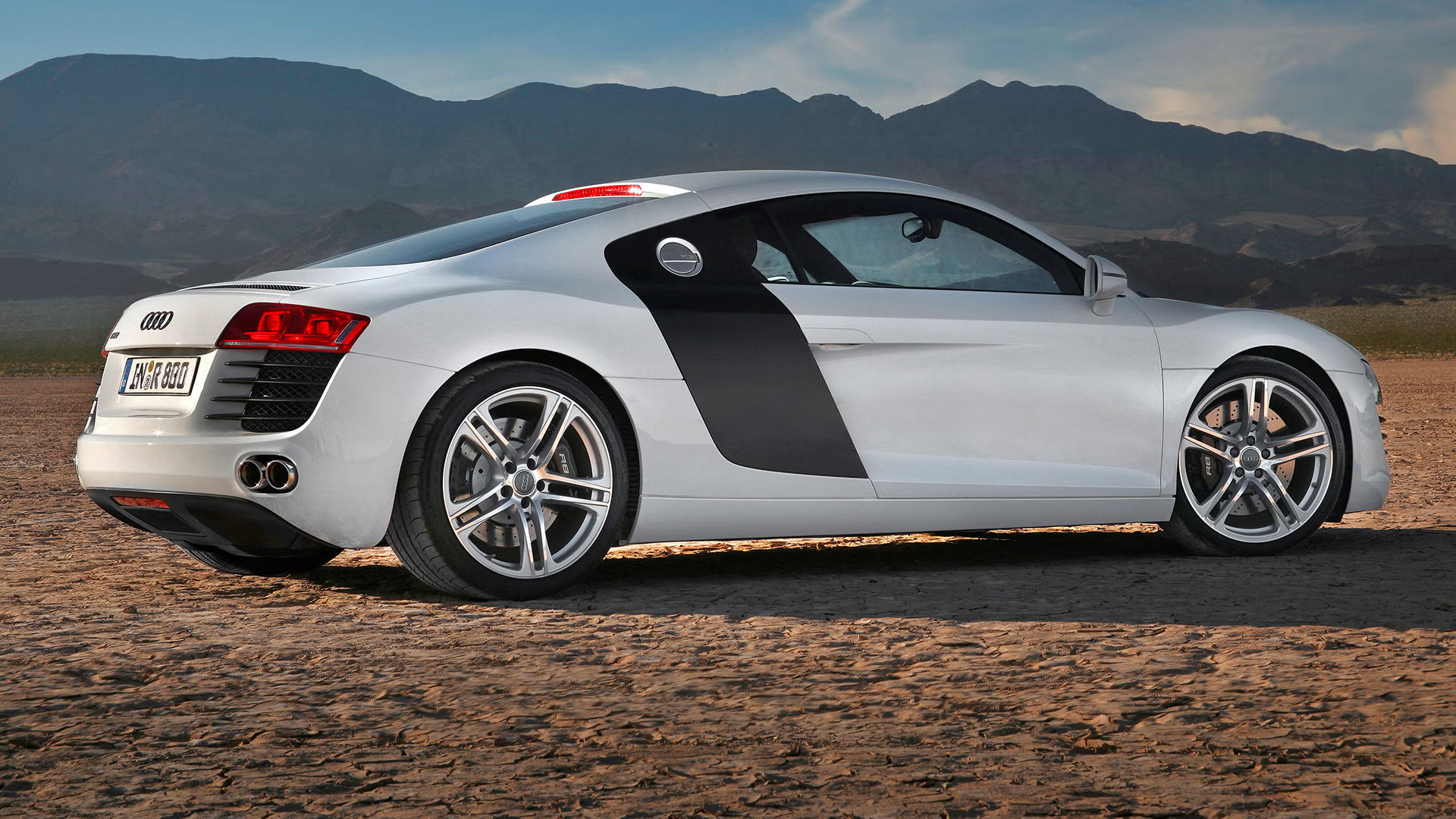
Market Price (2026): $55,000 – $85,000
The first-generation Audi R8 V10 with the six-speed gated manual gearbox is, without exaggeration, one of the greatest driver's cars ever built. The 5.2-litre naturally aspirated V10 produces 525 hp, screams to a 8,700 rpm redline, and delivers a mechanical feedback experience that no modern paddle-shift supercar can replicate. The Type 42 generation's relatively simple — by supercar standards — electronics and aluminum spaceframe make it accessible to maintain. Manual examples have appreciated significantly from their lows but remain outstanding value. This is the car Lamborghini Gallardo buyers chose when they wanted something more tactile and pure. Get one while you still can at this price.
2. Mercedes-Benz C63 AMG Black Series — W204 (2012–2013)
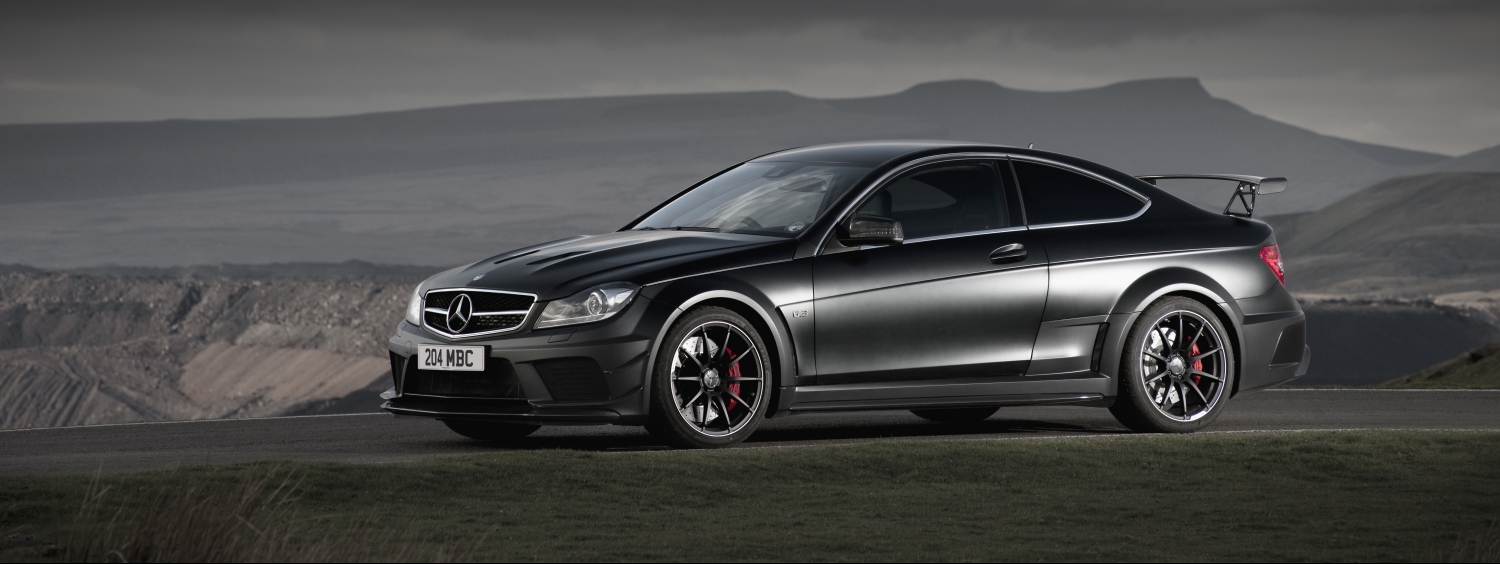
Market Price (2026): $85,000 – $130,000
Built in limited numbers between 2012 and 2013, the C63 AMG Black Series is arguably the most ferocious compact performance car Mercedes-AMG ever produced. The hand-built 6.2-litre naturally aspirated V8 — the same unit derived from the SLS AMG — produces 510 hp and 457 lb-ft of torque. With widened carbon-fibre bodywork, a race-tuned suspension, a mechanical limited-slip differential, and zero hybrid assistance, it represents the last hurrah of analog AMG brutality. Values have been climbing steadily as collectors recognize its significance. The upper end of this price range reflects the finest, lowest-mileage examples — and they are worth every cent.
3. Aston Martin Vanquish — 2nd Generation (2012–2018)
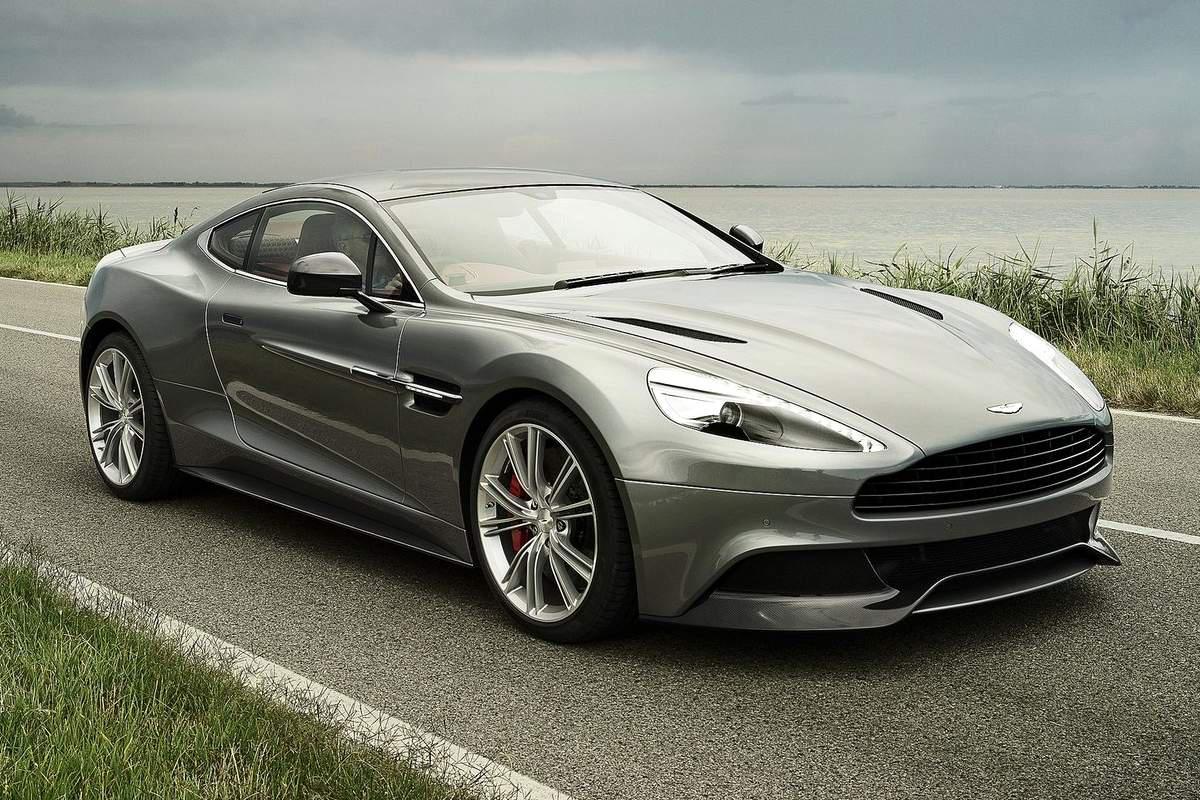
Market Price (2026): $75,000 – $110,000
Few cars in this price range carry themselves with the presence and hand-crafted artistry of the second-generation Aston Martin Vanquish. Built on an aerospace-grade carbon-fibre composite VH platform and powered by a 6.0-litre naturally aspirated V12 producing 568 hp (in final Vanquish S form), it is a car that makes Ferrari owners look twice. The Touchtronic III automatic gearbox is not a driving purist's first choice, but the sound, the feel, and the sheer drama of a 200 mph Aston Martin grand tourer for under six figures is a proposition that simply did not exist before the market normalized. Maintenance costs require attention — budget accordingly — but for sheer occasion and beauty, nothing on this list competes.
4. Porsche Cayman GT4 — 981 (2015–2016)
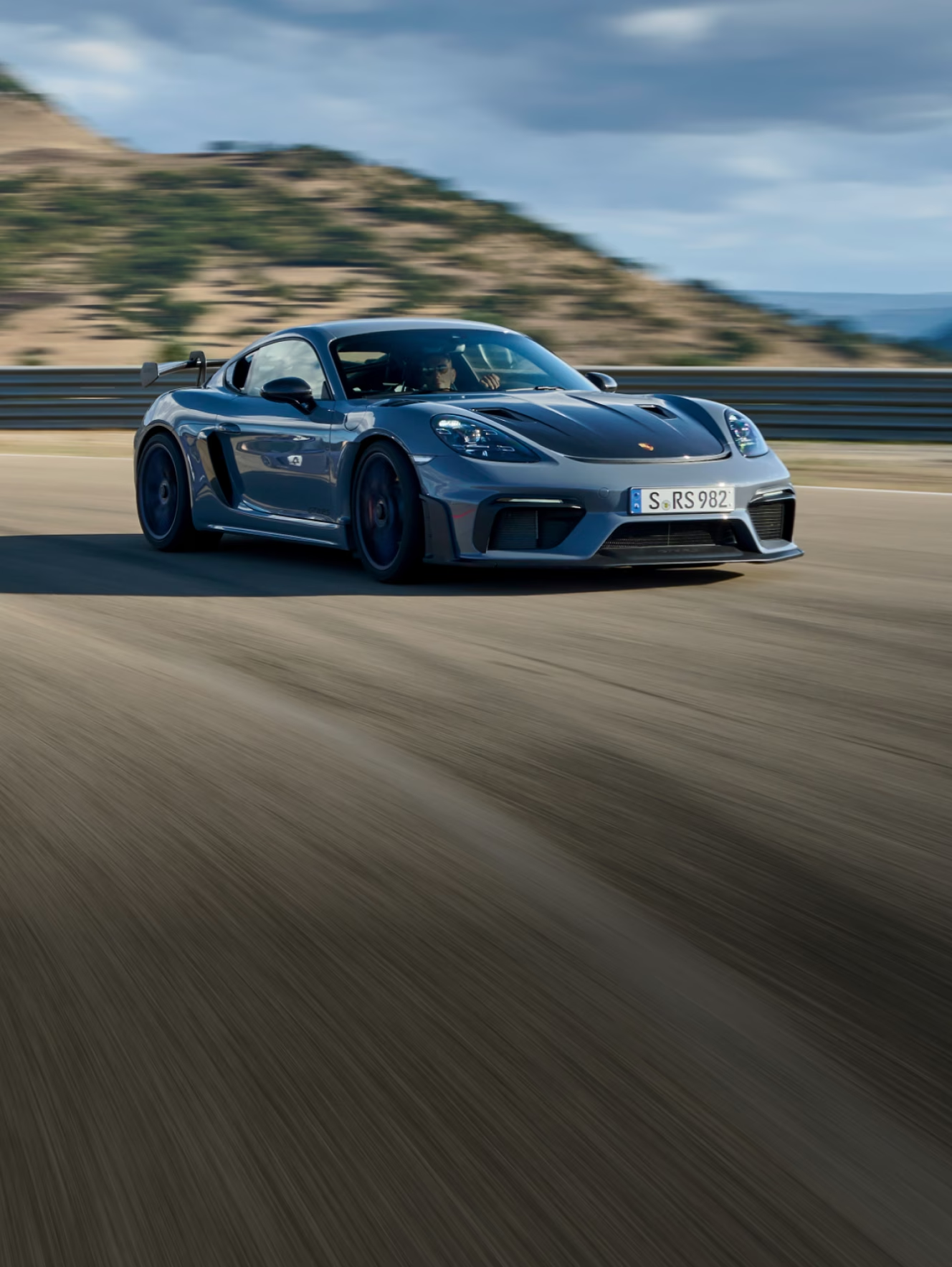
Market Price (2026): $85,000 – $115,000
When Porsche launched the 981 Cayman GT4 in 2015, it created what many — including this journalist — regard as the finest driving experience Porsche has ever put on public sale. The 3.8-litre naturally aspirated flat-six borrowed from the 911 Carrera S produces 385 hp, and more crucially, it comes exclusively with a six-speed manual gearbox. The mid-engine layout, race-derived suspension, and Porsche's legendary chassis tuning produce a machine capable of teaching and rewarding in equal measure. The 981 GT4 has appreciated well beyond initial expectations because enthusiasts immediately recognized what it was: a once-in-a-generation pure driver's Porsche. Prices have stabilized at the upper end, but this remains one of the best investments of driving joy you can make in 2026.
5. Lotus Evora GT (2020–2021)
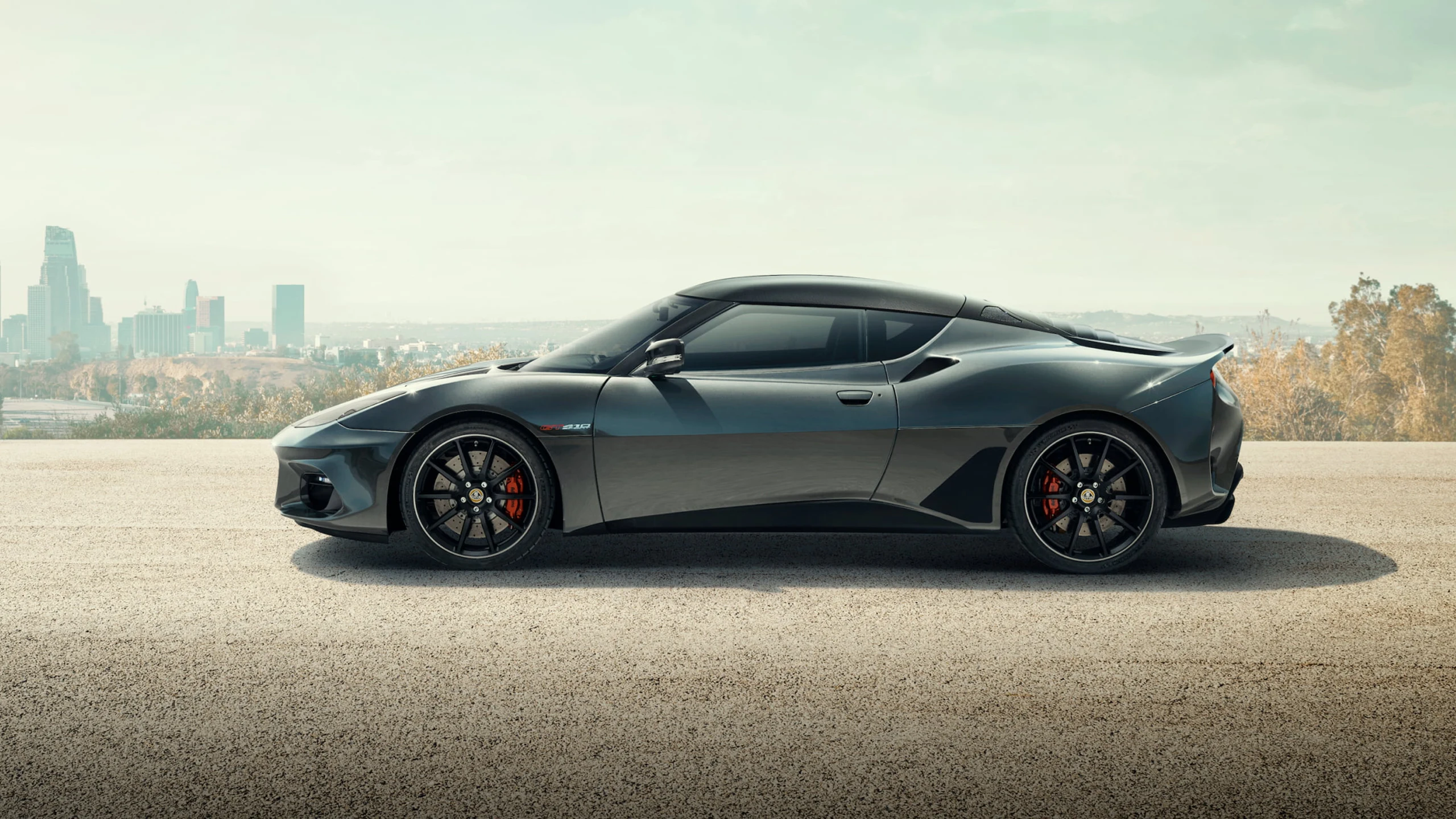
Market Price (2026): $65,000 – $85,000
The Lotus Evora GT represents the final evolution of one of the greatest mid-engine sports cars of the modern era — built the Lotus way, with lightweight principles and driver engagement above all else. Powered by a supercharged Toyota-sourced 3.5-litre V6 producing 416 hp in a car weighing just 2,983 lbs, the Evora GT offers a power-to-weight ratio that embarrasses many more expensive machines. With Lotus now pivoting fully to electric vehicles under Geely ownership, the Evora GT stands as the last of a breed — a gasoline-powered, analog, driver-focused Lotus sports car built in Hethel, England. Its value proposition in 2026 is exceptional, and its collectibility as the final chapter of traditional Lotus is only beginning to be appreciated.
6. Ariel Atom 4 (2019–Present)
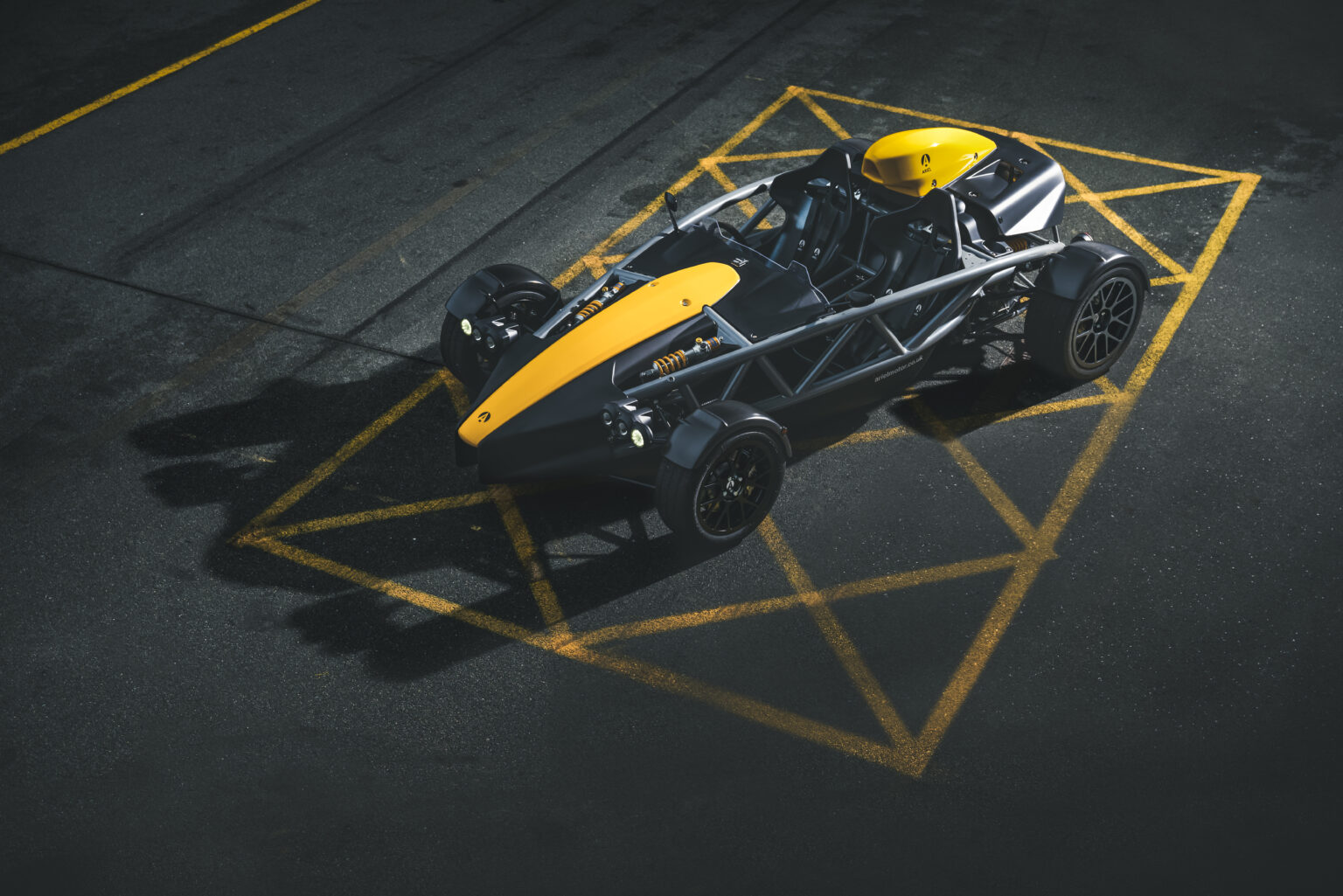
Market Price (2026): $75,000 – $95,000 (new, configured)
The Ariel Atom 4 is not a car in any conventional sense — it is a 320 hp turbocharged Honda engine bolted to a tubular spaceframe, wrapped in enough aerodynamic bodywork to keep it pointed in the right direction. With no roof, no windscreen, no doors, and no sound insulation, the Atom 4 delivers a sensory experience so raw and immediate that it genuinely recalibrates your perception of speed. The 2.0-litre VTEC turbocharged engine produces 320 hp in a machine weighing just 595 kg (1,311 lbs). The 0–60 mph time of approximately 2.8 seconds is achieved on road-legal tyres. This is legal road violence — and nothing in the automotive world at any price provides quite the same purity of acceleration and feedback. Still in production in Somerset, England, the Atom 4 is road-legal, track-ready, and utterly extraordinary.
7. Ariel Atom 4R (2023–Present)
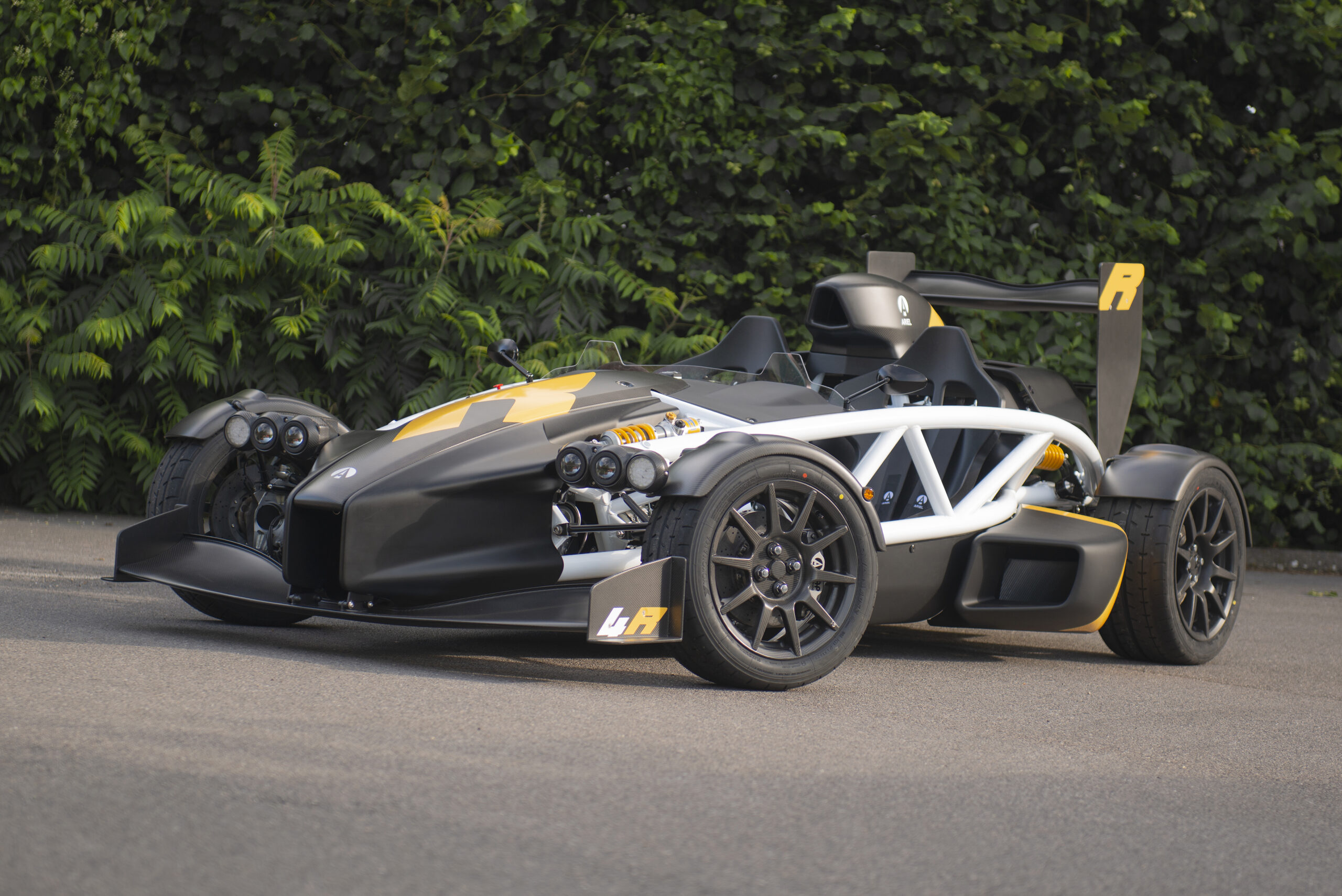
Market Price (2026): $95,000 – $120,000 (new, configured)
Introduced in 2023, the Atom 4R is the track-focused evolution of the Atom 4, featuring enhanced aerodynamic downforce, race-specification suspension, and uprated braking systems derived from Ariel's motorsport program. The turbocharged Honda engine in the 4R configuration produces up to 350 hp in race tune, and the aerodynamic package generates meaningful downforce at circuit speeds. The 4R represents the absolute cutting edge of what a road-legal (in some markets) track-day weapon can be without crossing into full racing car territory. If your $100,000 budget extends here — and you are willing to compromise on weather protection and luggage space (both of which are essentially zero) — the Atom 4R is an experience available nowhere else on earth at any price.
8. Dodge Viper GTS — 5th Generation (2013–2017)
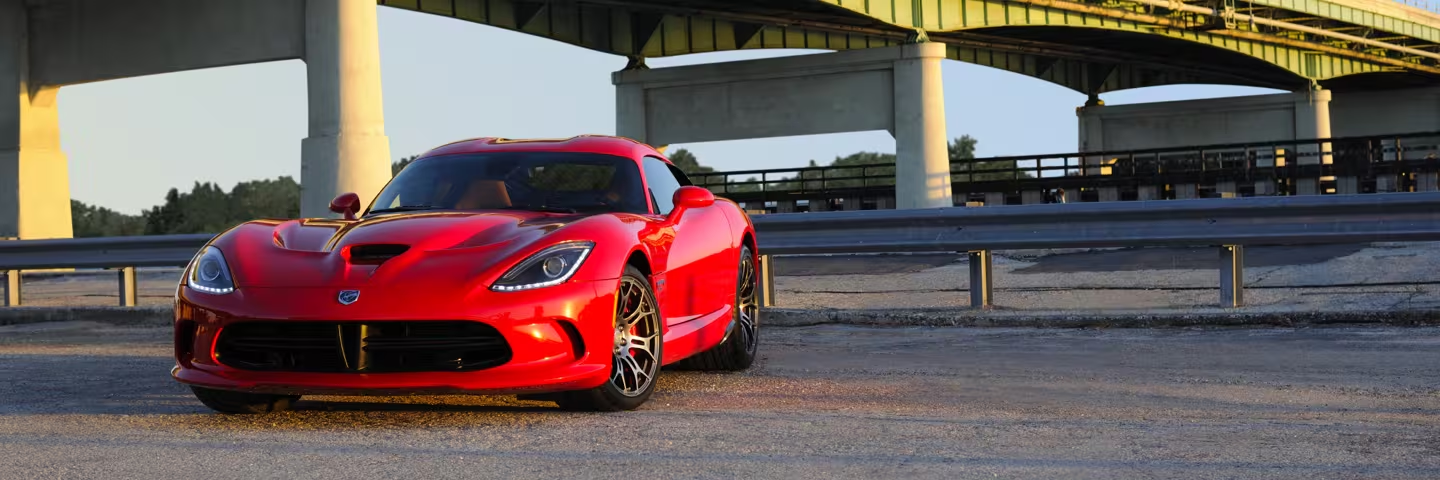
Market Price (2026): $70,000 – $100,000
The fifth-generation Dodge Viper GTS is the last and finest expression of America's most extreme production sports car. The 8.4-litre V10 — an engine so large it belongs in a different era — produces 645 hp and 600 lb-ft of torque, all channelled through a six-speed Tremec manual gearbox to the rear wheels. No traction control nannies in the traditional sense, no hybrid assistance, no turbos. Just cubic inches, American muscle, and the requirement that the driver be entirely responsible for managing all of it. The Viper GTS in its final years received genuine refinement — Bilstein dampers, Brembo carbon-ceramic brakes, and Michelin Pilot Sport Cup 2 tyres as options — making it more capable than its raw reputation suggests. The Viper is a genuinely endangered species; Dodge has no plans to revive it, making these last examples increasingly collectible.
9. Mercedes-AMG GT R — C190 (2017–2021)
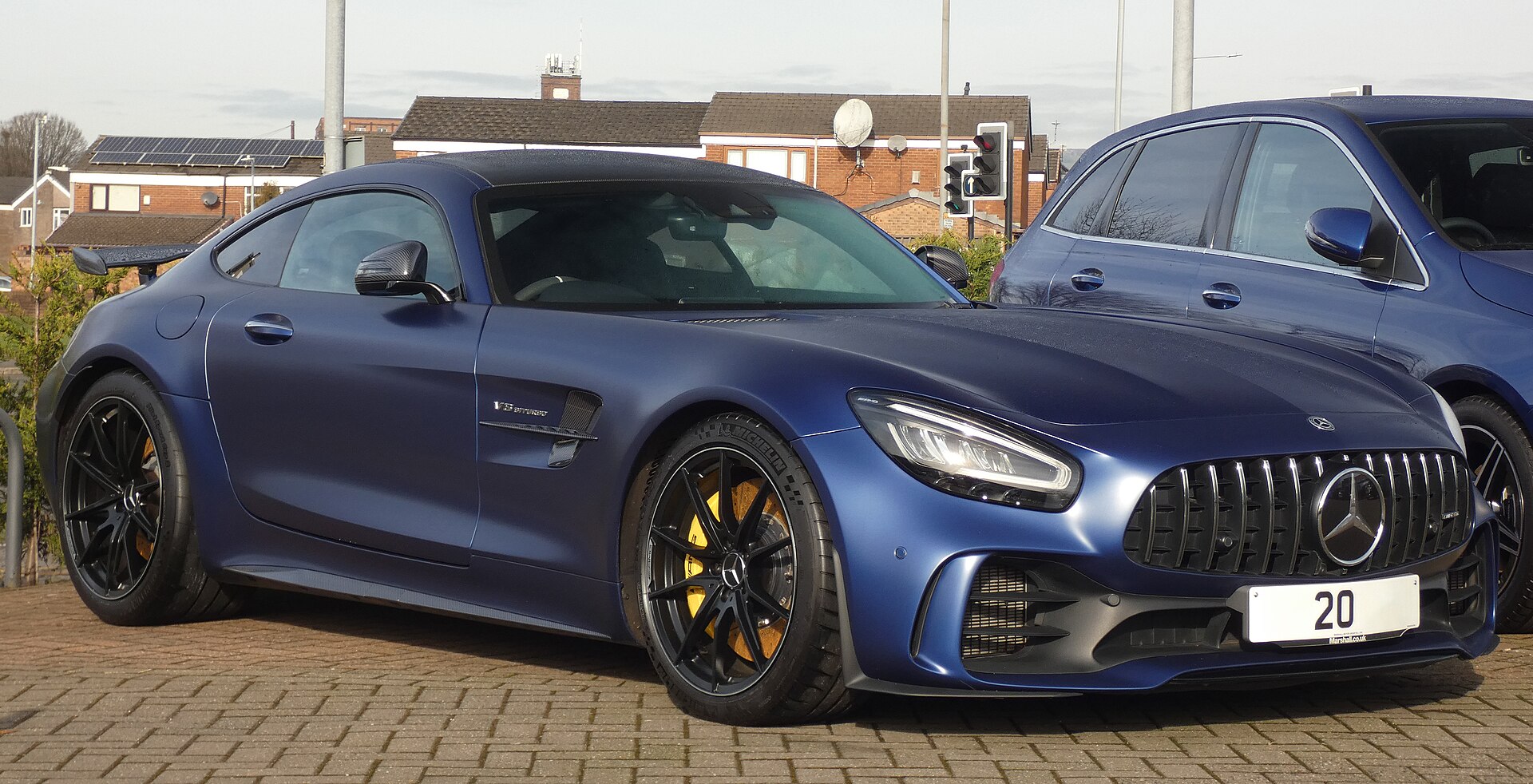
Market Price (2026): $85,000 – $120,000
Nicknamed the 'Green Hell Magnet' — a reference to the Nürburgring Nordschleife, where it was extensively developed — the Mercedes-AMG GT R is the most hardcore version of the C190 generation AMG GT family. The twin-turbocharged 4.0-litre V8 produces 577 hp, combined with rear-axle steering, nine-position traction control, active aerodynamics, and carbon-ceramic brakes. The AMG GT R was engineered as a road-legal racing car, and it behaves like one — demanding complete commitment and rewarding it with genuine race-car performance on both road and track. With the C190 generation now discontinued and replaced by a new platform, the GT R is beginning its appreciation curve as an analogue-rich, driver-focused AMG icon. At current used prices, it represents serious supercar performance at a significant discount to new exotics.
10. McLaren 570S (2016–2021)
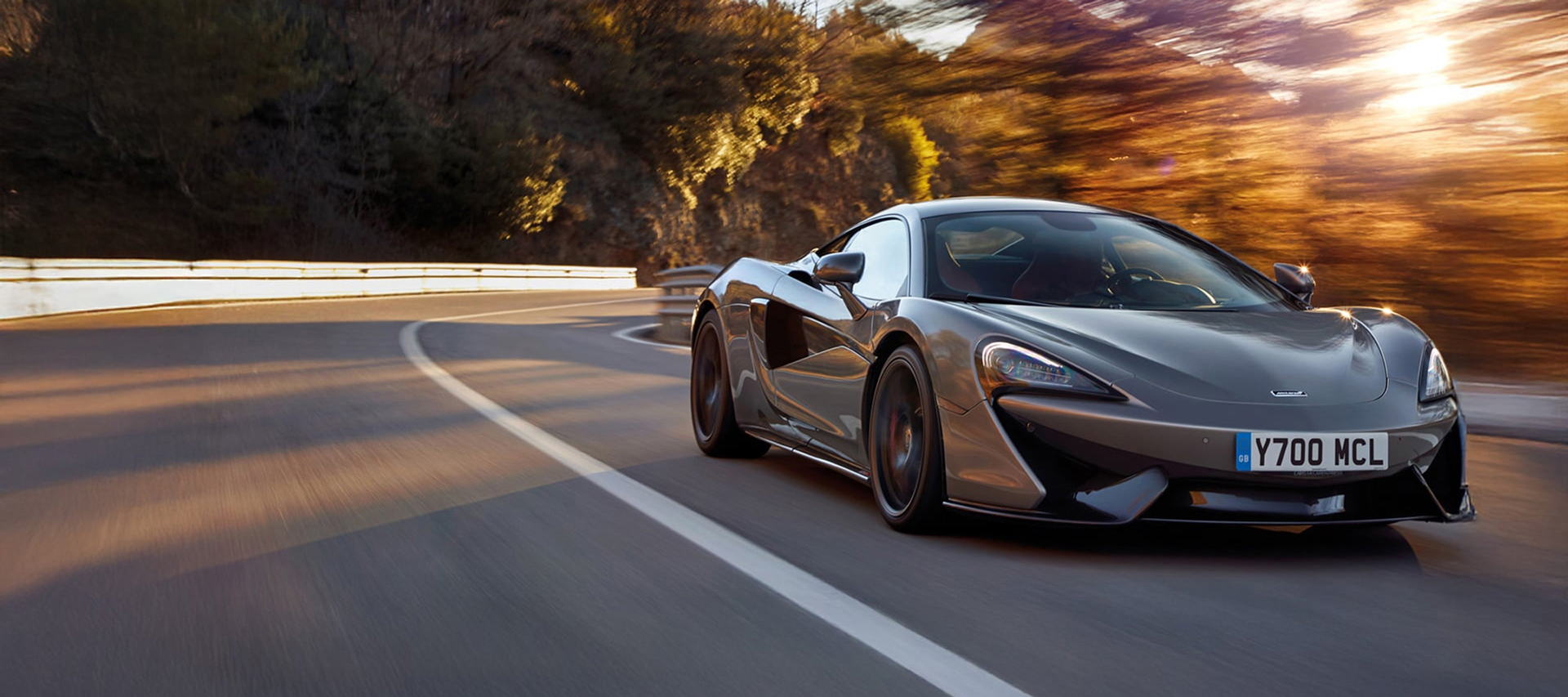
Market Price (2026): $80,000 – $115,000
The McLaren 570S was the car that brought McLaren's carbon fibre MonoCell chassis technology and mid-engine layout to a broader audience — and it remains one of the most complete driver's cars of the past decade. The twin-turbocharged 3.8-litre V8 produces 562 hp in a carbon-tubbed car weighing just 2,895 lbs, with a 0–60 mph time of 3.1 seconds and a top speed of 204 mph. The 570S rides on McLaren's sophisticated Proactive Chassis Control II hydraulic suspension system, which delivers a dual personality: genuinely comfortable on daily roads and devastatingly precise on a circuit. Maintenance costs on used McLarens require diligence — budget for specialist servicing — but for pure engineering value and driver reward, the 570S at current market prices is a compelling case for spending your $100,000 here.
11. Jaguar F-Type SVR — X152 (2017–2020)
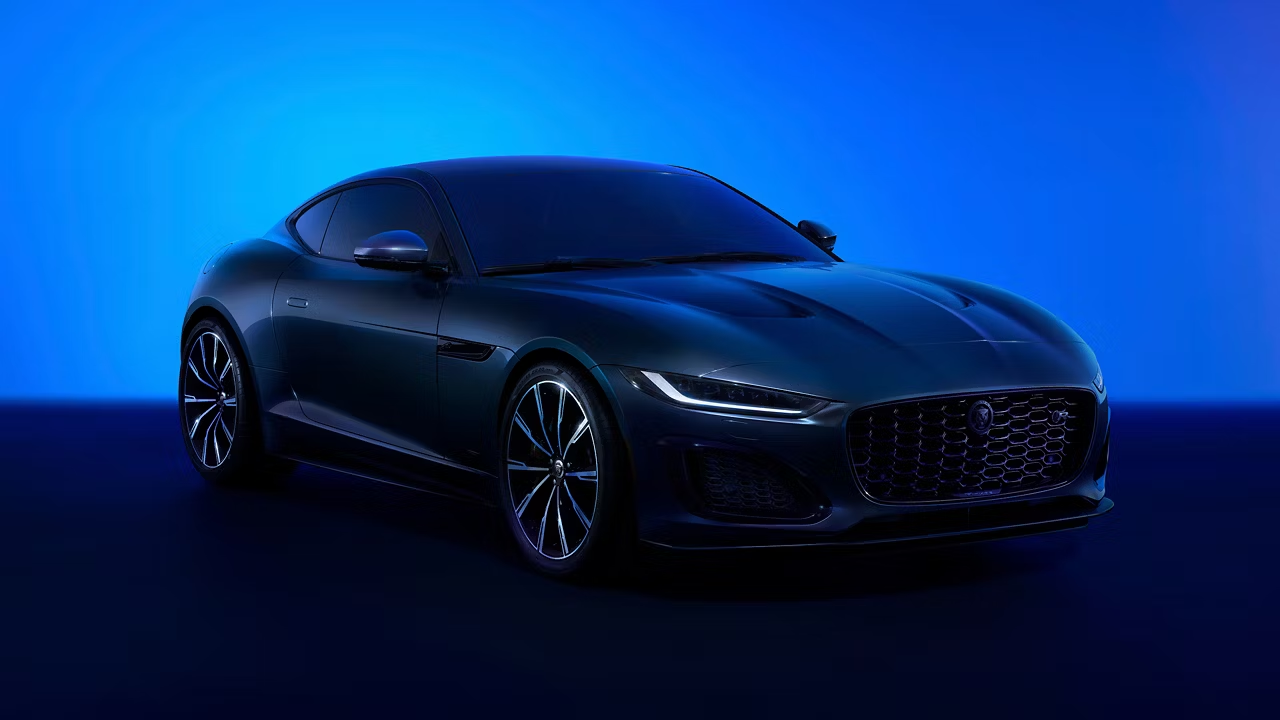
Market Price (2026): $55,000 – $80,000
The Jaguar F-Type SVR remains one of the most theatrical and sonically spectacular performance cars ever to come out of Britain. In SVR specification, the supercharged 5.0-litre V8 produces 575 hp, propelling the F-Type to 60 mph in 3.5 seconds and on to a top speed of 200 mph. The SVR received a titanium exhaust system as standard — and on a cold start or wide-open-throttle run, it produces one of the most gloriously antisocial sounds in the automotive world. With Jaguar having discontinued the F-Type and transitioned to an EV-focused brand positioning, the SVR is the last high-water mark of Jaguar's V8 performance tradition. Current prices make it one of the greatest value propositions on this entire list, particularly the coupe variants.
The Verdict: $100,000 Still Buys Excellence — Just Not at the New Car Showroom
The hard truth of 2026 is that the new exotic car market has permanently reset to price points that exclude all but the wealthiest buyers. The forces that drove this — technology costs, electrification investment, scarcity economics, and globalized wealth — are not reversing. If anything, they will continue pushing prices higher as the final generation of naturally aspirated, non-hybrid supercars approaches the end of production.
But for the enthusiast with $100,000 and genuine passion for the automobile as a driver's tool, 2026 remains a golden era for the used performance car market. The machines listed above are not consolation prizes — they are, in many cases, more rewarding to drive than the brand-new six-figure machinery they stand alongside. The Cayman GT4 981 will teach you more about car control than almost anything built today. The Viper GTS will test your courage in ways that modern electronic safety nets have made nearly impossible to experience. The Ariel Atom 4 will redefine your understanding of what a driving experience can be.
At AutoTickers, our position is clear: spend wisely, buy the best-maintained example you can find, and invest in the experience of actually driving these machines. The price of admission to the true automotive enthusiast's world has never been better justified — you just need to know where to look.
— AutoTickers Automotive Editorial Team